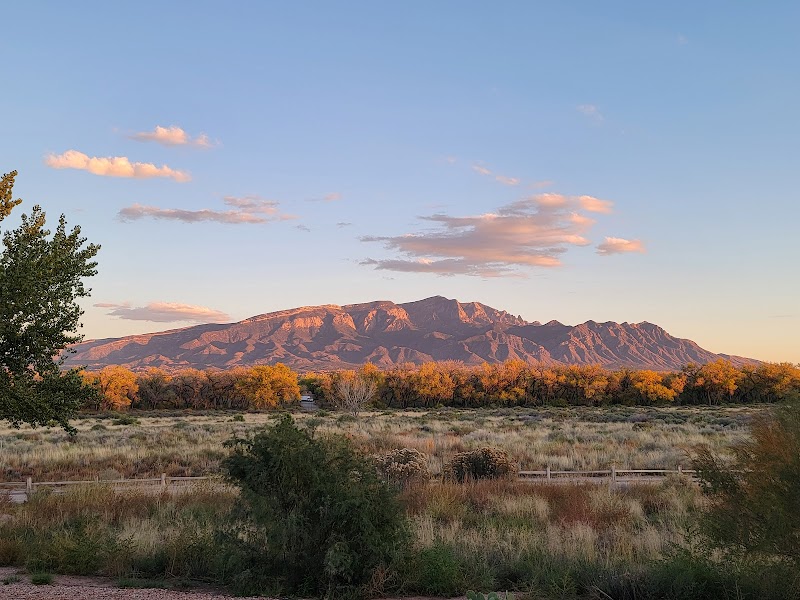
Wilderness Landscape & Natural Heritage
Esteros del Iberá is an extensive and biodiverse wetland area located in the province of Corrientes, northeastern Argentina. Covering roughly 1.3 million acres of marshes, lagoons, swamps, and floodplains, it ranks as one of the largest wetlands in the world and one of the continent's most important freshwater ecosystems. The Iberá system is shaped by slow-moving waters that replenish the groundwater and sustain a rich mosaic of habitats, including floating vegetation mats and open water. The area supports a spectacular diversity of flora and fauna, providing refuge to rare and threatened species such as the marsh deer, capybara, giant otter, maned wolf, and the elusive jaguar. Birdwatchers can spot hundreds of native species including the majestic jabiru stork and the brightly colored turquoise-fronted amazon parrot.
The wetland has a long conservation history, with its origins as a protected area dating to the early 1980s. Since then, it has been managed as a provincial nature reserve and increasingly promoted for sustainable ecotourism, emphasizing low-impact activities and community involvement.
Outdoor opportunities abound with guided boat tours, canoeing, hiking along designated trails, horseback riding, and wildlife safaris into the wilderness. Visitors are drawn to the tranquility and wildness of the area, as well as cultural experiences with local communities who maintain traditional ranching and fishing practices. Iconic landmarks include the vast Laguna Iberá, the heart of the wetland, famous for its mirrored waters and stunning sunrises. The reserve’s remoteness, combined with its abundant fauna and lush landscapes, create a unique destination for those seeking an immersive natural experience away from urban centers.