Wilderness Landscape & Natural Heritage
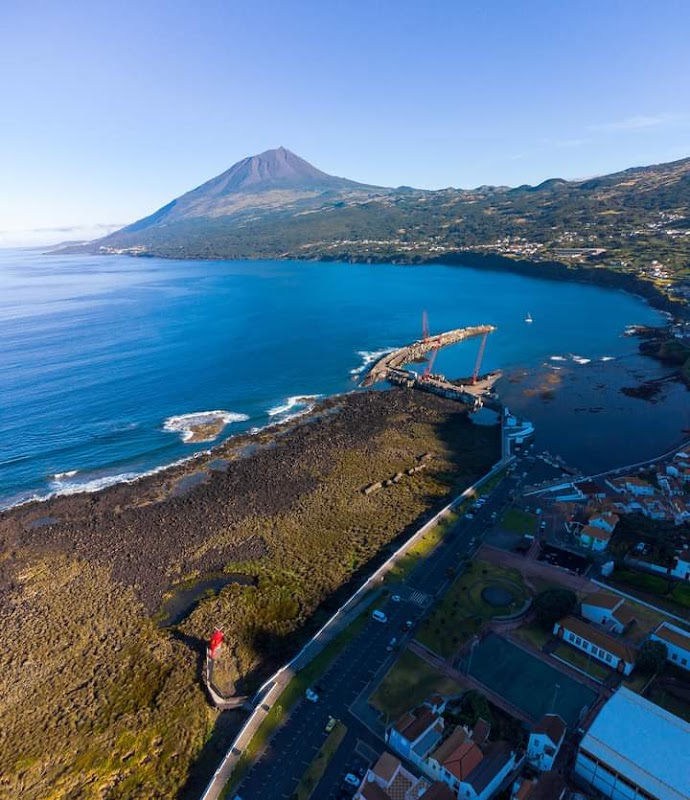
Faial Natural Park encompasses approximately 17,243 hectares covering terrestrial and marine environments of Faial Island, one of the central islands in the Portuguese Azores archipelago. The park was established in 1982 to preserve the island's unique volcanic landscapes, endemic flora and fauna, and marine biodiversity. Dominated by the massive Capelinhos Volcano, which last erupted in 1957-58 and significantly reshaped the island's west coast, the park features diverse habitats including native laurel forests, basaltic lava fields, and highly productive marine zones. Visitors are drawn to the park for its numerous hiking trails that wind through volcanic craters, calderas, and lush forests. The caldera of the volcanic peak, the Caldeira do Faial, is a protected geological monument offering panoramic views and rich biodiversity. The park is also renowned for whale and dolphin watching, taking advantage of the rich Atlantic waters that surround the island. Birdwatchers enjoy spotting endemic species such as the Azores bullfinch in the park’s native woodlands. Faial’s combination of volcanic heritage, marine life, and well-preserved natural habitats make it a compelling destination for ecotourism and outdoor recreation. Key sites include the Capelinhos Volcano Interpretation Center, which details the 1950s eruption and island geology, and picturesque villages like Horta, known for its marina and historic significance in transatlantic sailing. Faial Natural Park offers a striking blend of rugged volcanic landscapes, coastal beauty, and rich biodiversity that appeals to hikers, naturalists, and marine enthusiasts alike.