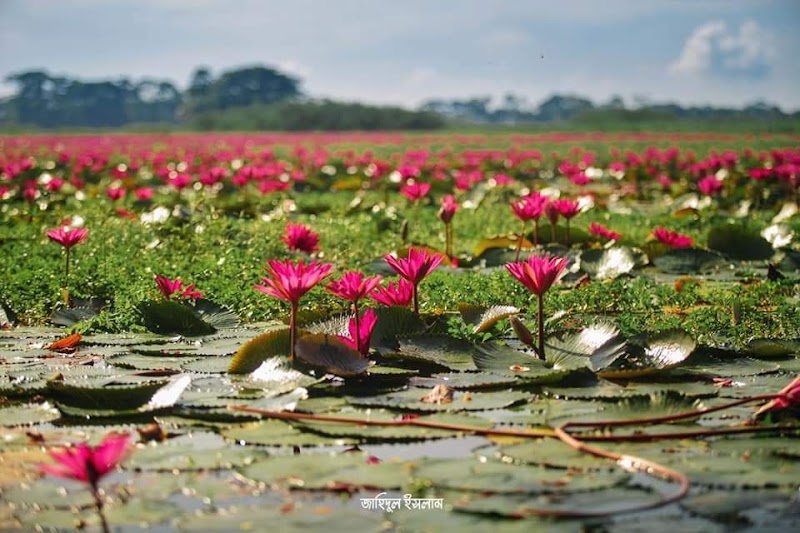
Wilderness Landscape & Natural Heritage
The Ganges-Brahmaputra Delta is an impressive natural formation, renowned for being the world’s largest delta. Covering parts of Bangladesh and India's West Bengal, the delta spans more than 40,000 square miles. This alluvial fan is primarily fed by sediment-rich water from the Himalayas’ glacial runoff, making it a fertile area that supports diverse ecosystems. The delta is known for its vast network of rivers, dense mangrove forests like the Sundarbans, and a rich tapestry of biodiversity, including the famed Royal Bengal Tigers. Historically, it has been vital for human settlement, agriculture, and trade throughout the centuries. The delta’s waterways support extensive fishing activities, and its wetlands are a haven for birdwatchers seeking species like kingfishers, herons, and eagles. Recreational opportunities include riverboat tours, birdwatching, and exploring the unique mangrove forest ecosystem. The delta's vital ecological functions, such as nutrient cycling and habitat provision, also underscore its significance in regional conservation efforts. Its dynamic landscape and cultural intersections create a distinct visitor appeal for both environmental and cultural exploration.