Wilderness Landscape & Natural Heritage
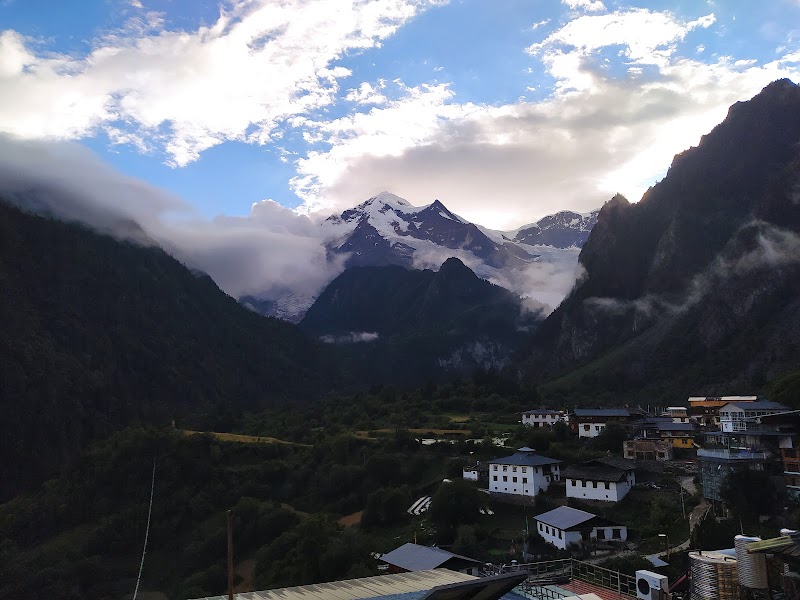
Situated within the Gaoligong Mountains along the border of China and Myanmar, Gaoligongshan National Nature Reserve covers some of the most biologically diverse temperate forests in Asia. The reserve spans a dramatic elevation gradient from about 1,000 meters to over 3,900 meters above sea level, creating a mosaic of habitats ranging from subtropical evergreen broadleaf forests to alpine meadows. This leads to exceptional plant and animal diversity, including many endemic and endangered species such as the Yunnan snub-nosed monkey, clouded leopard, and numerous rare orchids. Established in 1983, the reserve plays a crucial role in protecting the upper reaches of the Nu River (Salween) watershed and serves as an essential corridor for wildlife migration. Visitors are drawn to the reserve’s remote trails and pristine landscapes, which offer opportunities for hiking, birdwatching, and botanical study in a relatively untouched natural environment. The cultural fabric around the reserve is rich, with local ethnic communities such as the Lisu and Nu peoples maintaining traditional lifestyles that coexist with conservation efforts. Key landmarks include the Mt. Gaoligong summit area and the expansive ancient forests. Its designation as a UNESCO World Heritage site as part of the Three Parallel Rivers of Yunnan Protected Areas highlights its global ecological significance. The reserve is moderately accessible from the nearby town of Gongshan, but exploration typically requires careful planning to navigate rugged terrain and limited infrastructure, appealing mostly to adventurous ecotourists and scientists.