Wilderness Landscape & Natural Heritage
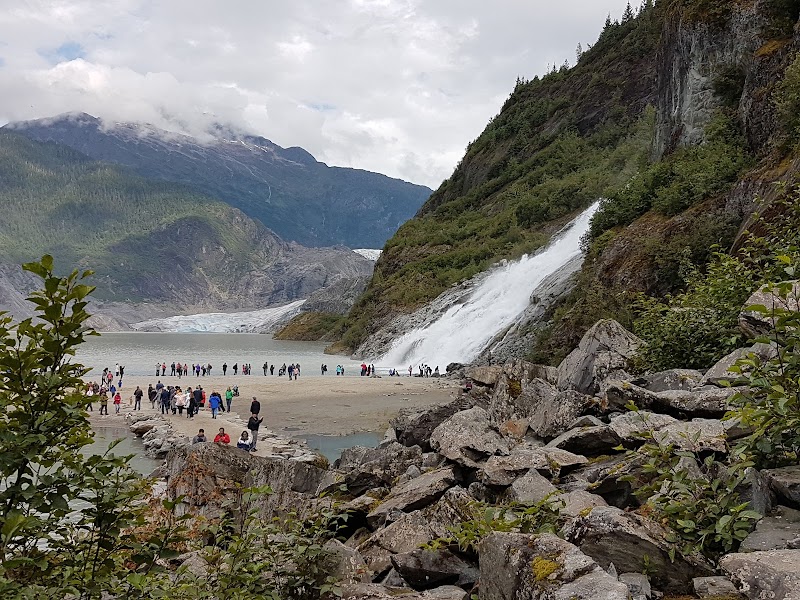
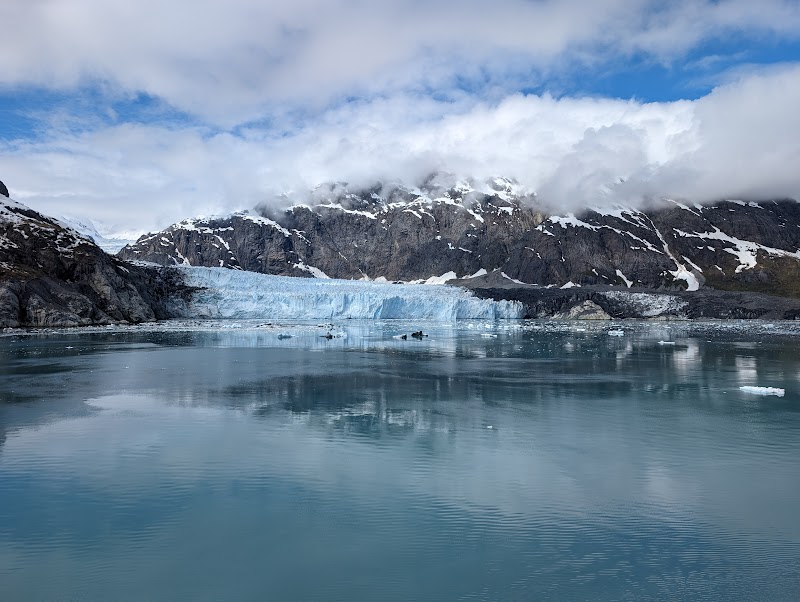
Glacier Bay National Park and Preserve, located in southeast Alaska, spans over 3.2 million acres of rugged mountains, dynamic glaciers, temperate rainforests, and deep fjords. The park is part of a 25-million-acre World Heritage Site and is home to a diverse range of wildlife, including humpback whales, sea lions, and black and brown bears. The area is a living laboratory of glacial activity; its massive tidewater glaciers are continually advancing and retreating, offering spectacular sights of ice calving into the sea. The park is largely accessible only by water or air, providing a remote wilderness experience for visitors who come to explore its pristine landscapes, whether through kayaking expeditions, cruise tours, or guided hikes. Historically, the area was first inhabited by the Huna Tlingit, and today, it continues to hold significance for indigenous peoples. Its geological formations and ecological diversity attract scientists and nature lovers alike, making it a prime destination for studying glacial and ecological processes.