Wilderness Landscape & Natural Heritage
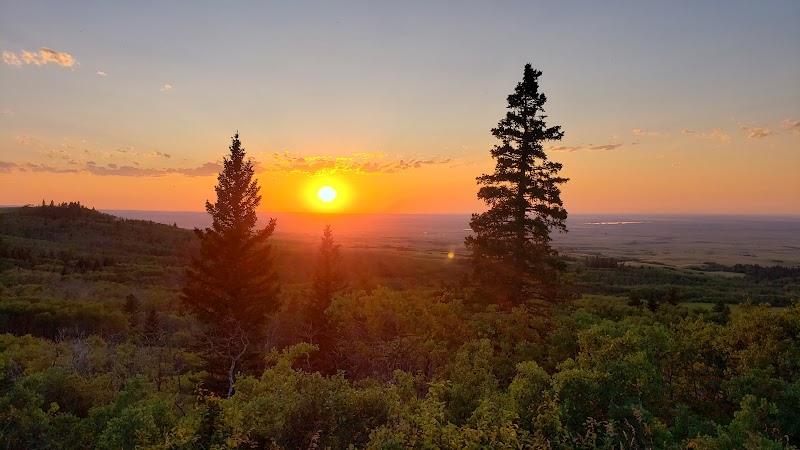
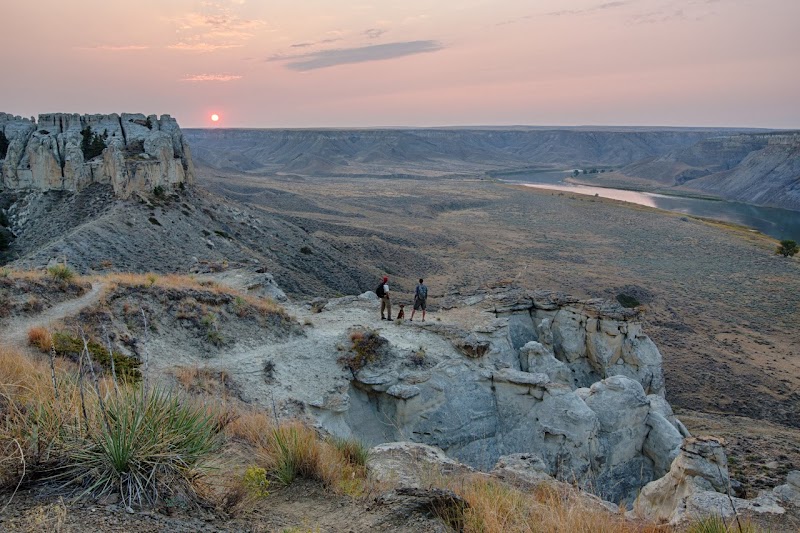
Grasslands National Park, located in southern Saskatchewan near the border with Montana, encompasses one of the few preserved sections of the Canadian Prairies. The park spans approximately 95,000 acres of mixed-grass prairie ecosystems, characterized by rolling hills, river valleys, and grass-covered plains. It is an important sanctuary for native prairie fauna and flora, including rare and endangered species like the black-tailed prairie dog and the swift fox. The park's landscape resembles what the Canadian prairies looked like before widespread agricultural development, providing a vital refuge for wildlife such as bison, pronghorn antelope, mule deer, and numerous bird species, including the greater sage-grouse. Grasslands National Park was created in 1981 to protect the fragile grassland ecosystem and has since become a destination for visitors interested in hiking, wildlife viewing, stargazing, and photography. Its remote, quiet environment contrasts sharply with more visited national parks, offering a truly backcountry experience. The park is also culturally significant, with evidence of Indigenous peoples’ historic presence and ongoing stewardship. Major attractions include the Frenchman River Valley, the iconic badlands formations known locally as the "Badlands", and the opportunity to watch reintroduced plains bison roam freely. The park promotes low-impact, self-guided exploration with several hiking trails and primitive camping spots. Visitors appreciate the dark skies for astronomy and the peaceful, expansive prairie environment.