Wilderness Landscape & Natural Heritage
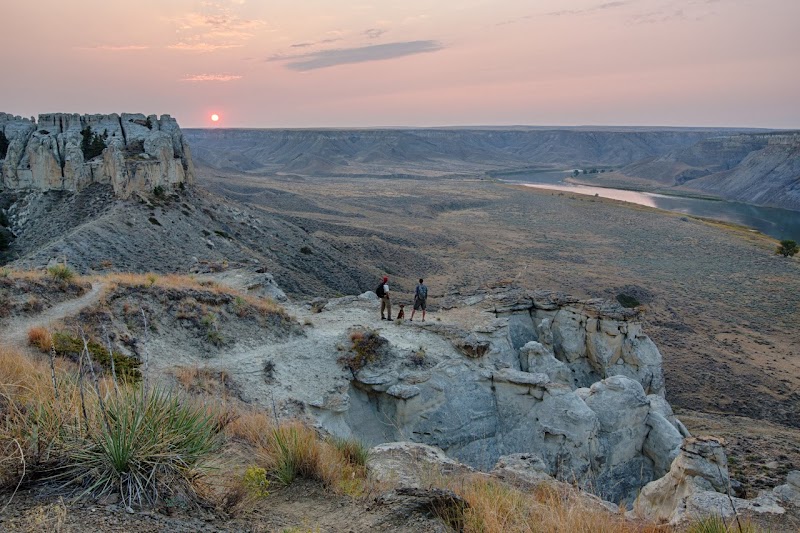
Located in the central plains of Montana along the Milk River, Grasslands Wildlife Management Area (WMA) protects over 28,000 acres of native mixed-grass prairie and riparian ecosystems. This area plays a critical role in conserving grassland-dependent species such as the Greater Sage-Grouse, sharp-tailed grouse, and various migratory songbirds. The land is primarily managed by the Montana Fish, Wildlife & Parks department, emphasizing wildlife habitat conservation, particularly for upland game birds. The terrain consists of gently rolling hills, grass-covered coulees, and stretches of cottonwood-lined riverbanks that create diverse ecological zones. Historically, the area supported Native American tribes and early settlers who utilized the region for hunting and gathering. Today, it serves as a resource for outdoor recreation including upland bird hunting, hiking, wildlife photography, and nature observation. Anglers can fish in the Milk River, which supports species such as northern pike and trout. The area’s sparse tree cover and wide open skies make it favorable for stargazing. Visitors appreciate the opportunity to explore an intact and functioning prairie ecosystem, a landscape type that has diminished drastically elsewhere in North America. Grasslands WMA also provides important habitat corridors for larger mammals like mule deer and pronghorn antelope. Access routes are generally via gravel county roads, and the site attracts outdoor enthusiasts seeking solitude and quiet landscapes with abundant wildlife. Seasonal visits in spring and fall offer peak bird migration viewing, while summer provides excellent conditions for hiking and hunting. Overall, the Grasslands Wildlife Management Area is a vital piece of Montana’s natural heritage and a destination for conservation-minded recreation.