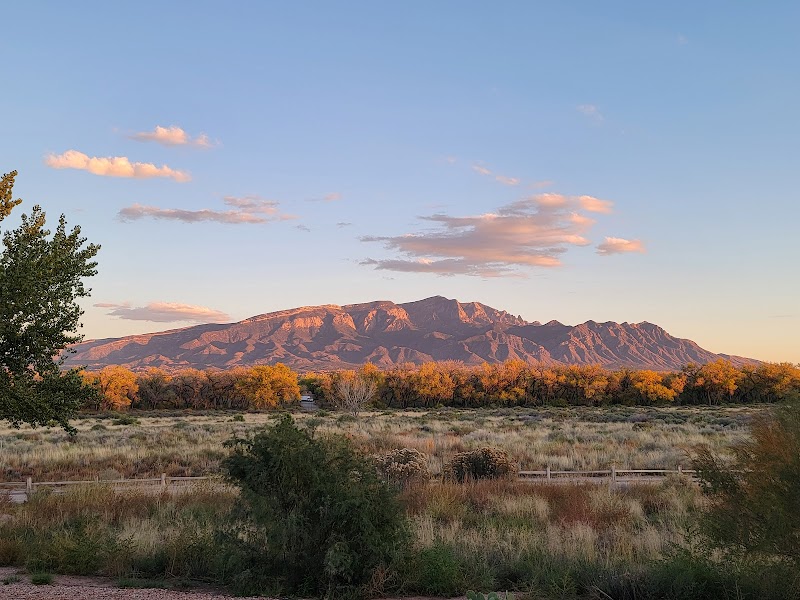
Wilderness Landscape & Natural Heritage
Gulf Plains National Park is located along the upper Texas Gulf Coast, encompassing vast coastal wetlands, salt marshes, prairies, coastal dunes, and barrier islands. The park’s geography features a dynamic interface of freshwater and saltwater environments influenced by tidal flows from the Gulf of Mexico. Ecologically, the park supports a rich diversity of habitats including seagrass beds, coastal prairie, and estuarine environments that are critical for supporting migratory birds, fish nurseries, and various wildlife species such as American alligators and numerous shorebirds. Established in 1972 to protect this fragile ecosystem, Gulf Plains National Park preserves important coastal landscapes that remain relatively undeveloped amid increasing urbanization along the Texas coast. Visitors can enjoy activities such as birdwatching, with species like herons, egrets, and the rare whooping crane often spotted, along with fishing, kayaking, and hiking on the park’s limited trail network. Notable landmarks include the protected barrier islands that offer sandy beaches ideal for nesting sea turtles, and the observation decks overlooking the sprawling salt marshes. The park appeals to outdoor enthusiasts interested in quiet natural settings, wildlife photography, and learning about coastal ecology. Due to its proximity to Houston and Corpus Christi, Gulf Plains serves as a vital natural refuge offering both solitude and access to diverse recreational opportunities within a coastal environment.


