Wilderness Landscape & Natural Heritage
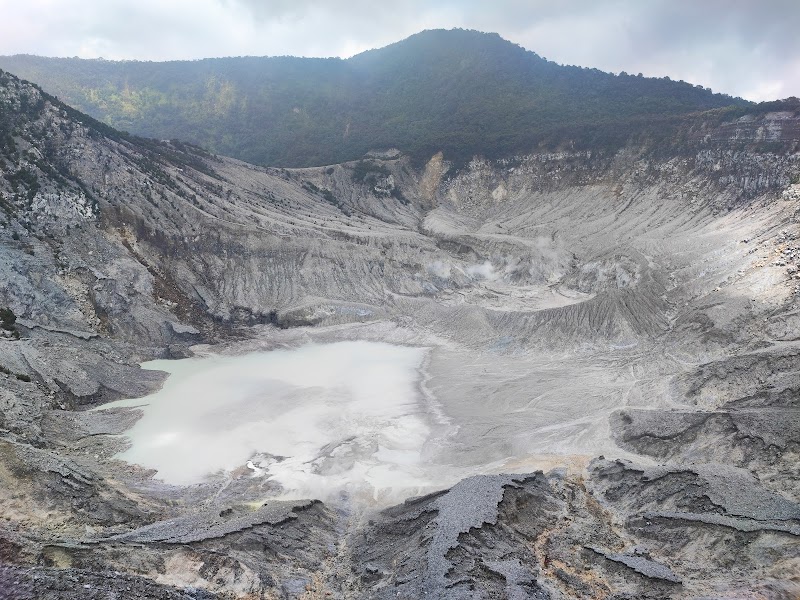
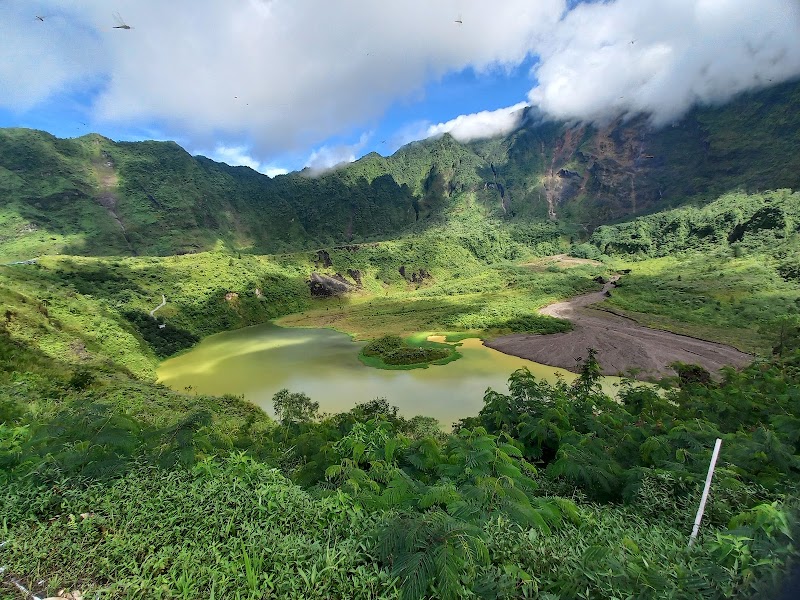
Gunung Galunggung is a stratovolcano located in West Java, Indonesia, within an officially designated protected area centered around its active volcanic crater. The protected area covers the volcanic mountain and encompasses diverse tropical forest ecosystems that support a variety of plant and animal species. The volcano has a history of large eruptions, most notably in 1822 and 1982, when a significant eruption formed a new crater lake inside the caldera. The site is geologically significant and provides a natural laboratory for studying volcanic activity and succession. Visitors to Gunung Galunggung can explore hiking trails leading to the rim of the crater with panoramic views of the surrounding landscape, including the crater lake and nearby settlements. The area is a popular destination for mountain climbers, bird watchers, and photographers. The preserved vegetation zones around the volcano range from lowland tropical rainforest to montane forests at higher elevations, harboring diverse wildlife including various bird species and small mammals. The nearby towns of Tasikmalaya and Garut serve as gateways to the protected area. Accessibility is relatively straightforward via regional roads, with local guides available for more in-depth exploration. The combination of dramatic volcanic terrain, scenic hikes, educational opportunities about volcanic geology, and tropical biodiversity make Gunung Galunggung Volcano Protected Area a distinctive destination for outdoor enthusiasts and researchers alike.