Wilderness Landscape & Natural Heritage
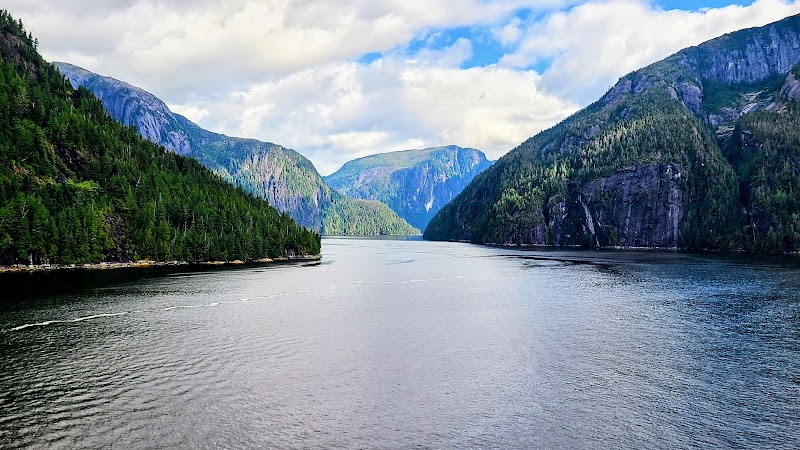
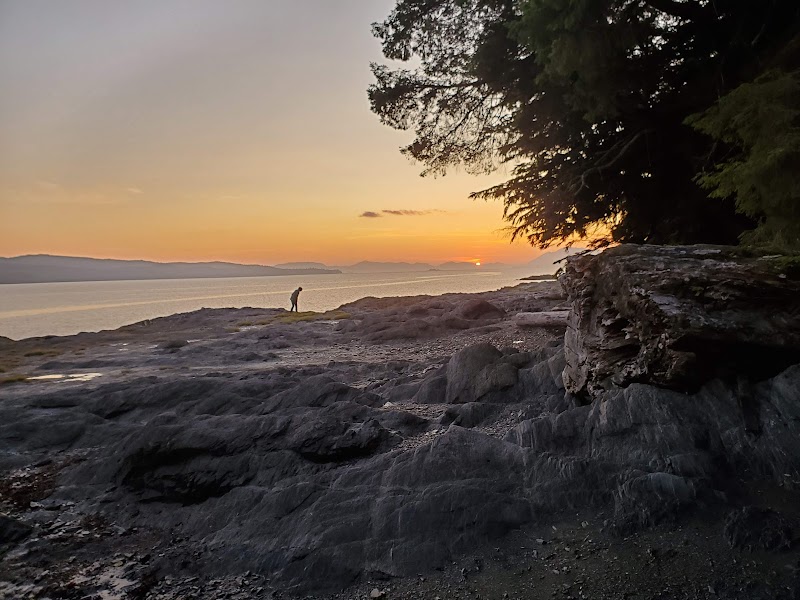
Harris Bay Wildlife Management Area (WMA) is located on Prince of Wales Island in Southeast Alaska, encompassing a diverse mosaic of coastal forests, estuaries, and intertidal zones. This protected area serves as critical habitat for numerous species including migratory waterfowl, bald eagles, and the endemic Alexander Archipelago wolf. The landscape includes old-growth Sitka spruce and western hemlock forests, lush wetlands, and sheltered bays that support abundant fish populations and marine mammals like harbor seals and sea otters. Historically, this region has been important to the indigenous Tlingit people, whose traditional hunting and fishing practices helped shape local stewardship efforts. Harris Bay WMA is managed primarily for fish and wildlife conservation while allowing compatible recreational activities. Visitors can enjoy wildlife viewing, particularly birdwatching during migration seasons, as well as fishing, kayaking, and hiking on informal trails. The remote nature of the site preserves solitude and natural soundscapes, making it a rewarding destination for nature photographers and outdoor enthusiasts. Though not heavily developed, the area’s rugged coastline and sheltered coves appeal to paddlers exploring the Inside Passage. Seasonal shifts bring dramatic changes; winter storms reshape shorelines while summer months offer calm, cool weather ideal for exploration. The area’s fragile ecosystems necessitate low-impact recreation to protect sensitive habitats and species. Harris Bay Wildlife Management Area’s combination of ecological richness and quiet wilderness makes it an essential conservation and recreation site in the Tongass National Forest region.