Wilderness Landscape & Natural Heritage
Established as part of a statewide effort to protect Hawaii’s unique coral reefs, the Hawaii Coral Reef Initiative Marine Life Conservation District (MLCD) encompasses multiple designated marine protected areas around the main Hawaiian Islands. These districts safeguard fragile coral reefs that are critical habitats for an array of marine life including reef fish, sea turtles, sharks, and invertebrates. The MLCDs vary in size and regulations but consistently limit extractive activities such as fishing, anchoring, and collecting marine organisms to preserve the ecosystem’s health.
Geographically, these conservation districts are located along the coastlines of islands such as Oahu, Maui, Kauai, and the Big Island. The reefs themselves consist of diverse coral species like Porites, Montipora, and Acropora, forming complex underwater structures. Historically, Hawaii’s reefs were among the most pristine in the Pacific, but increased development, tourism, and climate change have placed pressures on these environments, leading to the initiation of state-led conservation programs coded under the Hawaii Coral Reef Initiative.
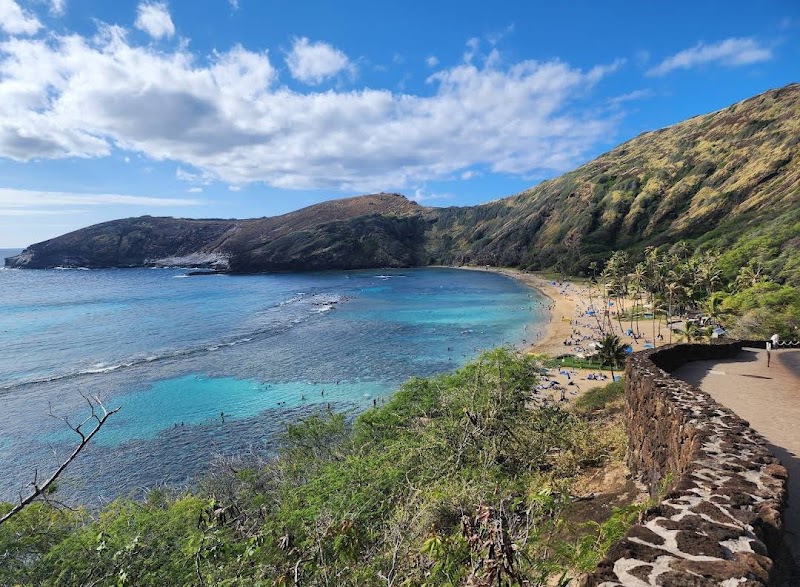
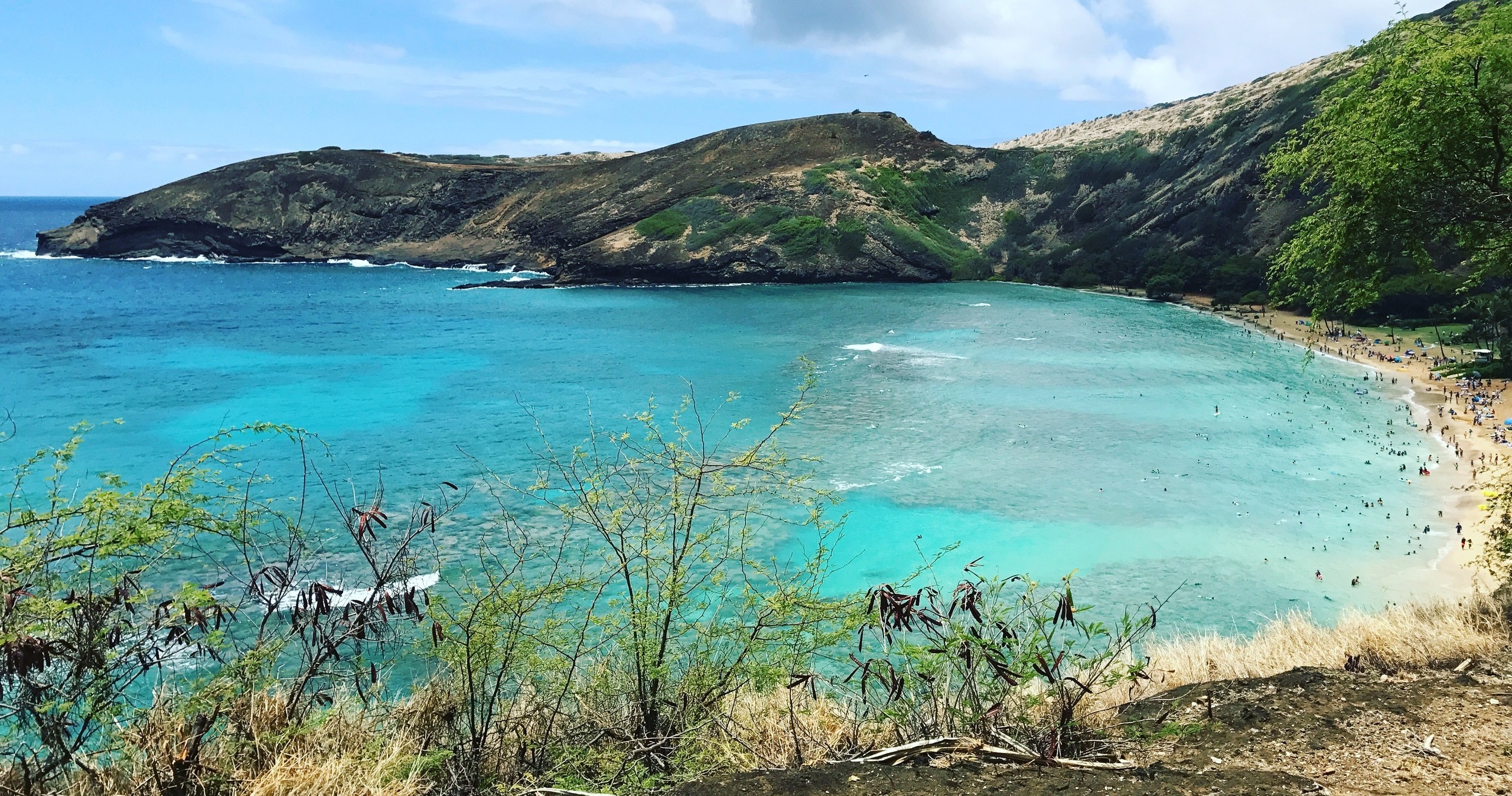
Recreation within these MLCDs centers on low-impact activities that promote appreciation without degradation, especially snorkeling, scuba diving, and wildlife observation. Notable spots include Hanauma Bay on Oahu, a highly visited protected bay known for its clear waters and flourishing reef system. Visitor appeal is strong among eco-tourists and marine enthusiasts who seek to experience Hawaii’s underwater ecosystems responsibly. Educational outreach and community stewardship are key components of the program, fostering awareness and conservation ethics among both residents and tourists.