Wilderness Landscape & Natural Heritage
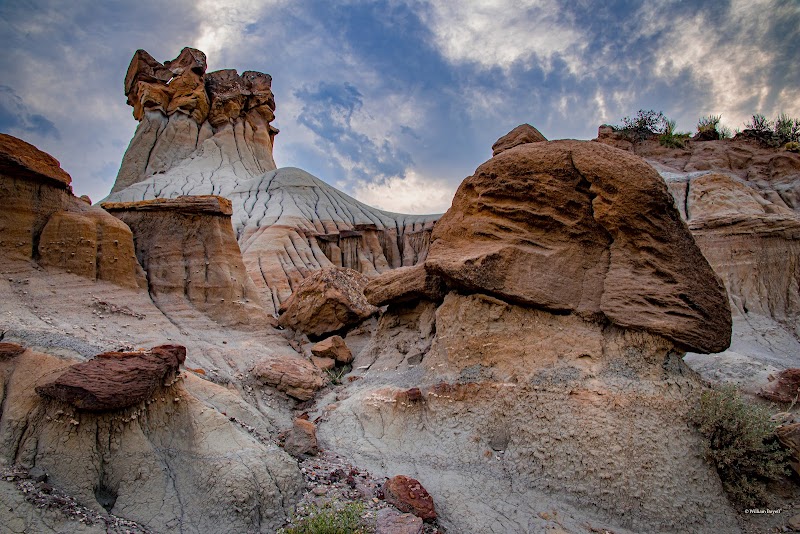
Hell Creek Natural Area spans approximately 2,500 acres along the Missouri River near the town of Jordan, Montana. Characterized by its rugged badlands terrain, steep cliffs, and strikingly colored sedimentary rock formations, the area provides a glimpse into Earth’s Cretaceous past. Hell Creek is world-famous among paleontologists for its rich deposits of Late Cretaceous fossils, including the remains of Tyrannosaurus rex, Triceratops, and other prehistoric species that lived roughly 66 million years ago. The area’s ecosystems support a diverse range of native flora and fauna, from sharply eroded prairie grasses and juniper groves to wild mule deer, coyotes, eagles, and elk. Visitors are drawn here for hiking, wildlife viewing, fossil hunting (in permitted areas), and photography of the scenic Missouri River views framed by sculpted badlands. Historically, the site is significant as part of the Hell Creek Formation, which has been central to understanding the last days of the dinosaur era. Recreational activities include day hikes along several marked trails that offer overlooks of the river and badlands, and limited primitive camping options nearby. The natural area's unique geology, fossil legacy, and undisturbed habitats preserve a vital corridor for outdoor enthusiasts and researchers alike. Its relatively remote location makes it a tranquil, lesser-visited destination compared to more crowded Montana parks.