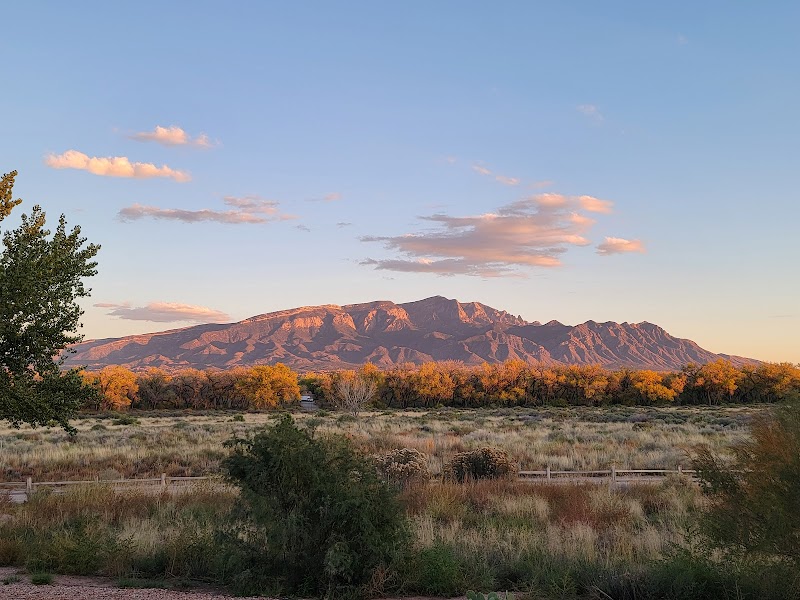
Wilderness Landscape & Natural Heritage
Hobbs Island Wildlife Management Area (WMA) covers approximately 4,000 acres along the Tennessee River near Gadsden, Alabama. The area provides important habitat for a wide array of fish and wildlife species within a mix of forested wetlands, hardwood bottomlands, open fields, and riparian zones. The geography is characterized by river frontage, floodplain environments, and upland woodlands, making it ideal for multiple outdoor recreation activities focusing on fishing, hunting, birdwatching, and hiking. The WMA was established to preserve diverse habitats and to provide public access for sustainable wildlife management and outdoor enjoyment. Anglers frequent the Tennessee River along Hobbs Island for species such as largemouth bass, crappie, and catfish. Birdwatchers can find a variety of waterfowl, songbirds, and raptors especially during migration periods. Recreational trails are limited but the area offers several informal paths allowing exploration of the bottomlands and the river’s edge. Primitive camping is permitted, mostly used by hunters and fishermen. Visitors appreciate the quiet natural setting and proximity to Gadsden, making it a popular spot for day use as well as seasonal activities like waterfowl hunting and fishing tournaments. Though not widely developed for recreational infrastructure, Hobbs Island WMA stands out for its role in protecting riverine ecosystems and providing outdoor enthusiasts with access to Alabama’s rich biodiversity in the Shoals region.