Wilderness Landscape & Natural Heritage
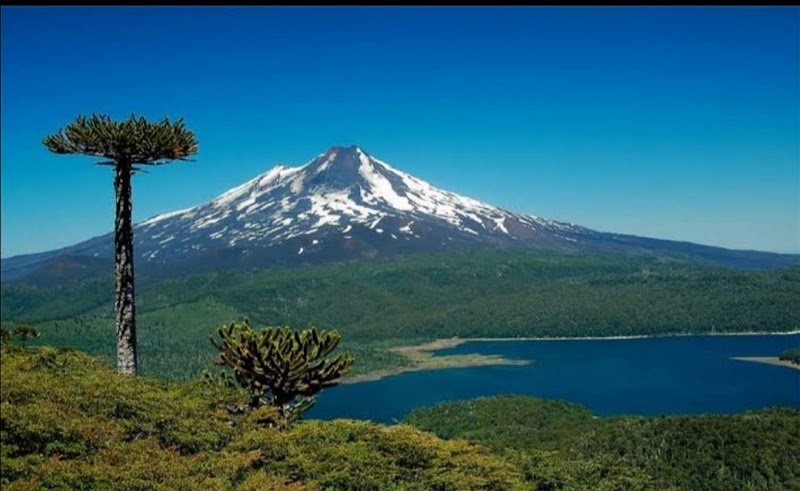
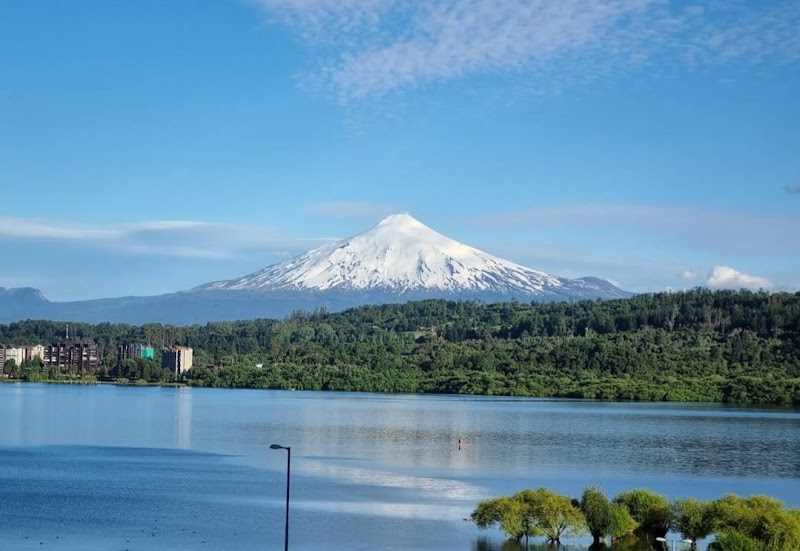
Huerquehue National Park, located in Chile’s Araucanía Region, spans over 12,000 acres in the southern Andes. Characterized by its dense Araucaria (monkey puzzle) and coigüe forests, the park protects ecosystems typical of the Valdivian temperate rainforest, with an abundance of native flora and fauna. The park features volcanic formations, glaciers, and clear glacial lakes such as Laguna Verde, Laguna El Toro, and Lago Tinquilco. The landscape is shaped by the nearby Lanín volcano, one of the prominent volcanic peaks of the region. Huerquehue is rich in biodiversity, hosting species such as the pudú (the world’s smallest deer), Southern Andean deer, and a variety of bird species including the magellanic woodpecker. Established in 1967, it was created to preserve native forest ecosystems and provide recreational opportunities. Visitors enjoy multi-day trekking routes and day hikes that range in difficulty and reward adventurers with panoramic views, waterfalls, and tranquil natural pools. The park’s trails are well-maintained, with several routes reaching viewpoints offering sweeping views of the surrounding Andes mountains and volcanic cones. The accessibility of the park from the nearby town of Pucón makes it popular with both locals and international tourists. In addition to hiking and wildlife viewing, the park is suitable for photography, fishing, and camping. Its combination of geological diversity, ecological value, and recreational facilities makes it a treasured area for conservation and outdoor activities in Chile’s lake district.