Wilderness Landscape & Natural Heritage
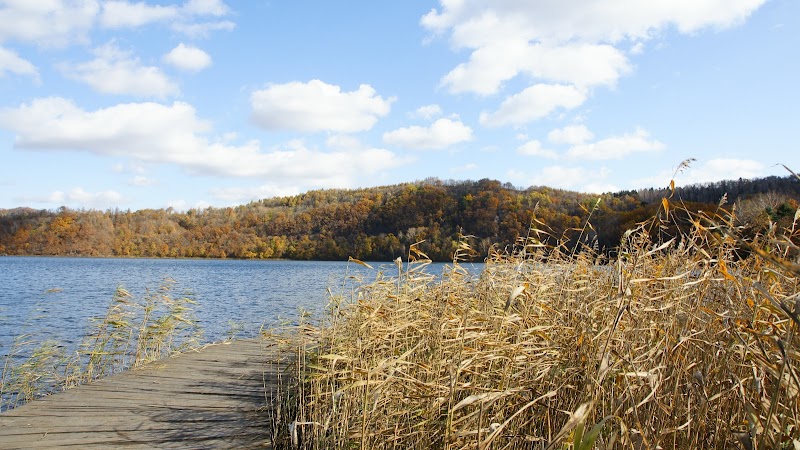
Located at the confluence of China, Russia, and North Korea, Hunchun Nature Reserve encompasses a diverse landscape of mixed forests, rivers, and wetlands. This protected area spans rugged mountains and river valleys that form an essential ecological corridor in the Changbai mountain range. Established to protect rare and endangered species such as the Amur tiger, Siberian leopard, and Asiatic black bear, the reserve serves as a critical habitat and breeding ground. The region experiences a temperate monsoon climate with cold winters and warm summers, supporting a wide variety of flora including Korean pine, spruce, and birch trees. Outdoor enthusiasts visiting Hunchun can experience wildlife viewing, particularly for large cats and bird species, as well as hiking through pristine forest trails and exploring the rich natural scenery. The reserve also holds cultural importance, with local ethnic Korean, Manchu, and Han communities residing nearby, offering opportunities to learn about traditional practices tied to the land. Despite its remote setting, the reserve is gradually opening up to eco-tourism, striving for balanced visitor access and conservation management. Key landmarks include the scenic Tumen River borders, the mixed coniferous broadleaf forests, and seasonal wetlands vital for migrating waterfowl. Visitors should plan carefully and respect conservation rules to ensure the continued protection of this internationally significant wildlife refuge.