Wilderness Landscape & Natural Heritage
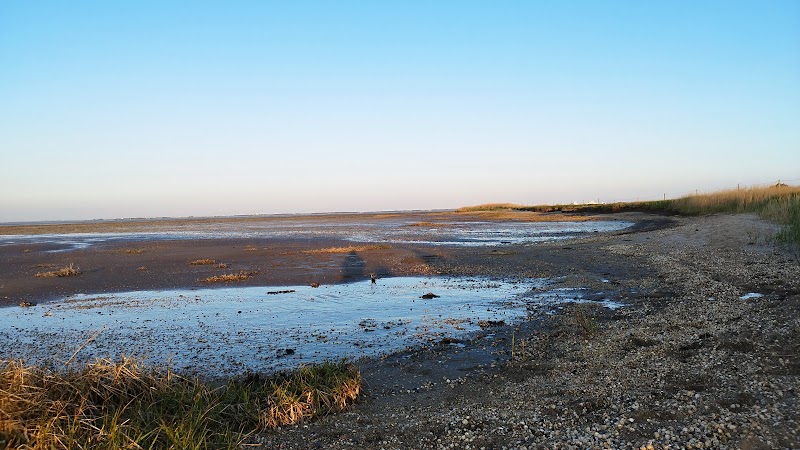
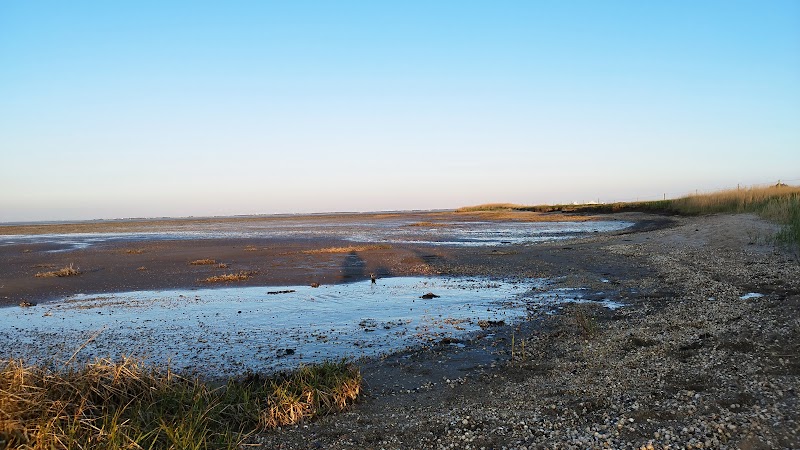
Located along the eastern fringe of the North Frisian coast in Schleswig-Holstein, Germany, the Husum Marsh Nature Reserve protects expansive tidal mudflats, salt marshes, and coastal pastures that create a vital habitat for numerous migratory and resident bird species. This low-lying landscape is intrinsically tied to the Wadden Sea, a UNESCO World Heritage Site celebrated for its dynamic tidal ecosystem and biodiversity. The reserve’s geography is characterized by a network of dikes, drainage channels, and sluices that regulate water levels and preserve the marshland from the North Sea’s influence. Historically, this region’s marshes have been used for extensive cattle grazing and traditional salt marsh farming, blending cultural heritage with natural conservation. Visitors to Husum Marsh can engage in birdwatching from strategically placed observation hides, explore the winding dyke trails on foot or by bicycle, and enjoy panoramic views across tidal flats teeming with life. Notable landmarks include the town of Husum nearby, known as the “Grey City by the Sea,” which offers access points to the reserve. Seasonal mudflat walks guided by local naturalists enable immersive encounters with the unique coastal ecosystem. The reserve’s combination of natural beauty, ecological importance, and cultural landscapes makes it a compelling destination for nature enthusiasts seeking insight into Northern Germany’s maritime heritage and habitats.