Wilderness Landscape & Natural Heritage
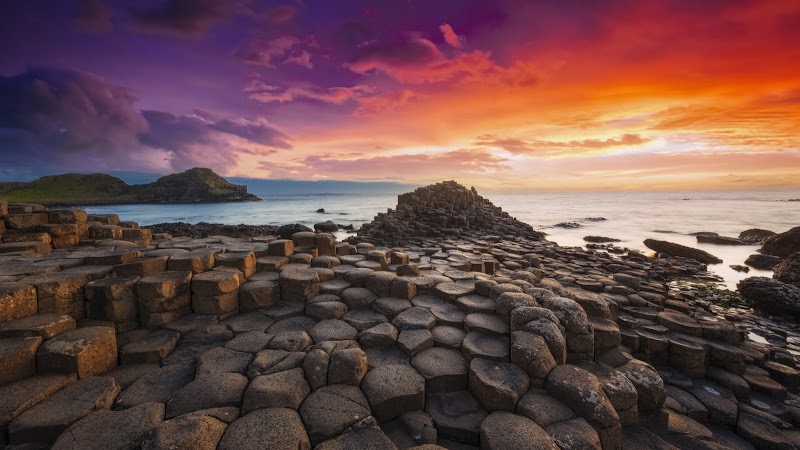
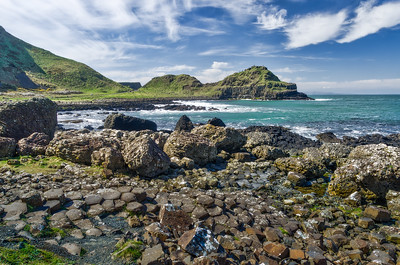
The Isle of Mull National Scenic Area encompasses a significant portion of the Isle of Mull, the second-largest island in the Inner Hebrides of Scotland. Characterized by dramatic cliffs, rolling hills, glens, and miles of rugged coastline, this scenic area is renowned for its geological variety and natural beauty. The landscape features ancient woodlands, heathlands, and lochs, supporting a wide range of wildlife, including white-tailed eagles, otters, red deer, and a variety of marine mammals such as seals and porpoises. Historically, Mull was inhabited since the Iron Age, with remnants of castles, churches, and crofting heritage scattered across the island, reflecting its Gaelic and Norse influences. Recreational opportunities include hiking numerous marked and unmarked trails, kayaking along sheltered bays, birdwatching, and fishing. The Isle is home to landmarks such as Duart Castle, the Isle's Maclean clan seat, and Calgary Bay, praised for its white sandy beaches and clear waters. The mix of mountains, sea, and cultural history draws photographers, nature lovers, and outdoor adventurers alike. Access to the Isle is typically by ferry from the mainland, with routes connecting from Oban and other points, making it a well-visited yet tranquil destination. The designation as a National Scenic Area helps protect the island’s unique landscapes while promoting sustainable tourism and community involvement.