Wilderness Landscape & Natural Heritage
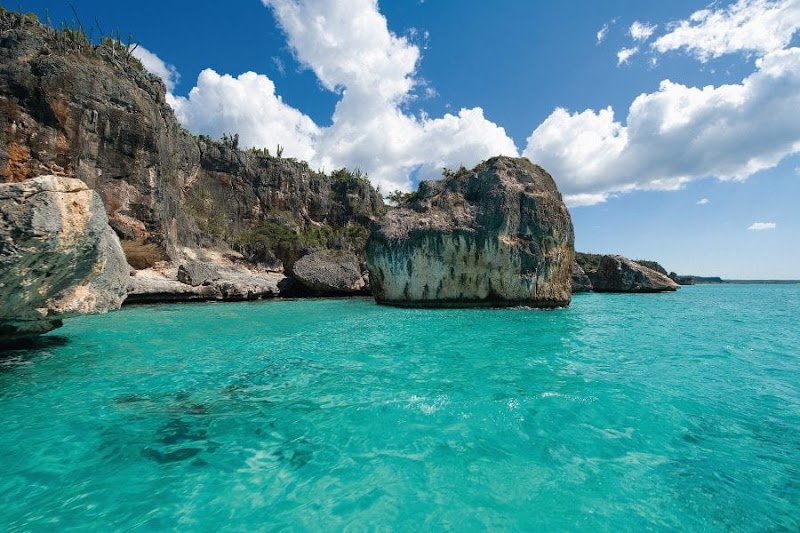
Jaragua National Park, established in 1983, is located in the southwestern region of the Dominican Republic and covers over 1,300 square kilometers, including both terrestrial and marine environments. It is known for its dry tropical forests, mangroves, salt flats, and coastal lagoons, providing vital habitats for a variety of endemic and migratory species. The park is part of the Enriquillo–Plantain Garden Fault zone and lies partly along the Caribbean coast, featuring striking salt lakes such as Laguna de Oviedo and Laguna Salada. These wetlands support numerous bird species including flamingos and pelicans, making it an important birdwatching destination. The park’s forests shelter rare plants and animals adapted to its arid climate, such as the rhinoceros iguana and several species of cacti. Jaragua’s history includes archaeological sites from the indigenous Taíno people, with petroglyphs and cave paintings providing insight into pre-Columbian cultures. Outdoor recreation opportunities range from wildlife viewing, hiking, and nature photography to boat tours through mangroves and coastal areas. Visitors can explore salt flats, dry forests, and remote beaches, enjoying both terrestrial and marine biodiversity. Its combination of ecological richness and cultural history attracts environmental researchers and eco-tourists alike, while offering a glimpse of one of the Caribbean’s most unique natural environments.