Wilderness Landscape & Natural Heritage
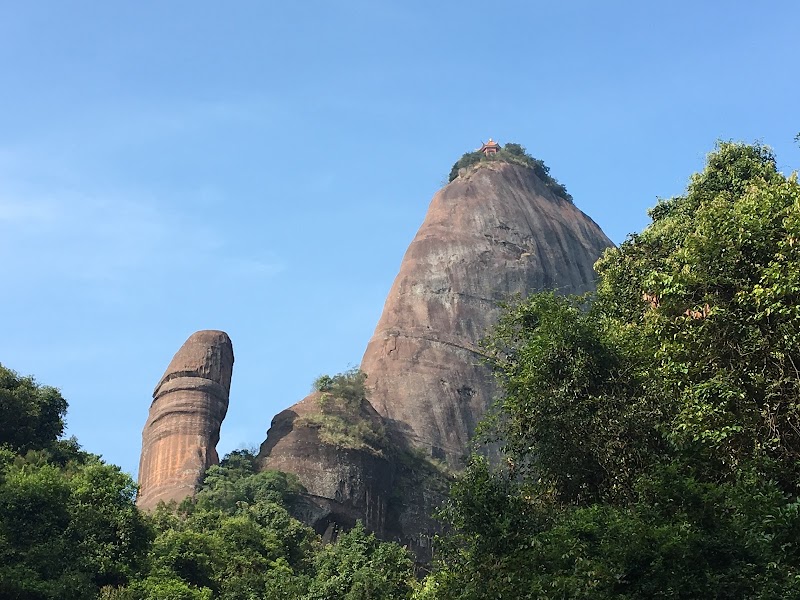
Located on the border between Jiangxi and Hunan provinces in southeastern China, Jinggangshan National Nature Reserve covers a rugged mountainous region that is often referred to as the birthplace of the Chinese Red Army and the Chinese revolution. The reserve encompasses a diverse landscape composed of steep ridges, deep valleys, dense subtropical forests, and rare geological formations. Ecologically, the area functions as an important sanctuary for endangered species including the Chinese giant salamander, clouded leopard, and numerous endemic plants. The reserve enjoys a humid subtropical climate, fostering a rich biodiversity with evergreen broadleaf forests dominating much of the terrain.
Historically significant, Jinggangshan was a stronghold for Communist forces during the late 1920s and remains a powerful symbol of Chinese revolutionary heritage, attracting both history enthusiasts and outdoor adventurers. Visitors can explore well-preserved revolutionary memorial sites, museums, and hiking routes intertwining nature with cultural history.
Outdoor recreation opportunities focus on hiking across scenic trails that wind through ancient forests, waterfalls, and panoramic mountain vistas. Bird watching and wildlife viewing are popular pursuits, given the reserve’s ecological importance. Several well-developed routes lead to notable landmarks like Tiantangzhai Waterfall, Dajing Pavilion, and various old revolutionary base sites. Infrastructure supports eco-tourism while maintaining conservation priorities, including visitor centers and modest accommodations.
Jinggangshan’s blend of natural beauty and cultural depth creates a unique protected area where visitors can immerse themselves in both the environment and the profound historical legacy of the Chinese revolution.