Wilderness Landscape & Natural Heritage
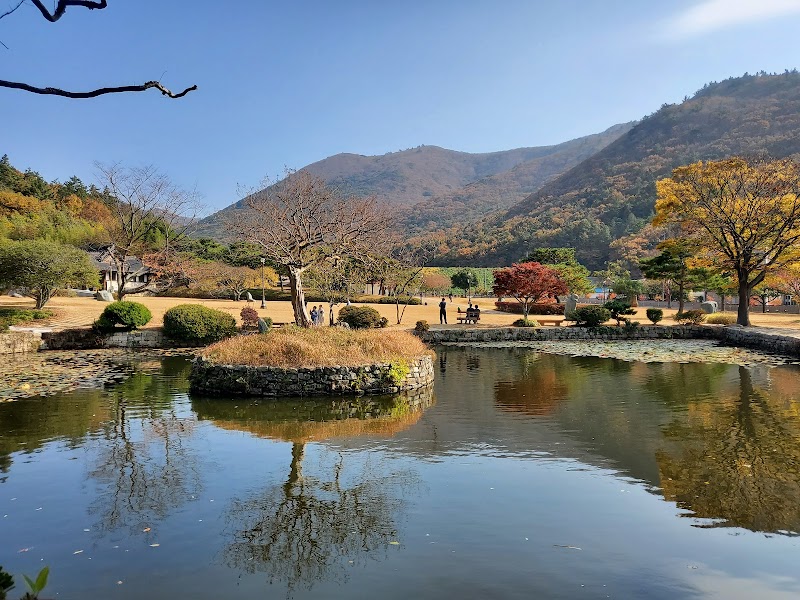
Jirisan National Park, established in 1967, encompasses a vast mountainous region spanning across three provinces: Jeollanam-do, Jeollabuk-do, and Gyeongsangnam-do in South Korea. It covers the Sobaek mountain range, dominated by Jirisan, the second highest mountain in South Korea, peaking at 1,915 meters. The park is renowned for its steep ridges, deep valleys, and dense forests characterized by a mix of temperate needle-leaf and broadleaf tree species. This diverse ecology supports endangered species such as the Asiatic black bear, musk deer, and various rare plants. Historically, the park holds cultural significance with numerous Buddhist temples—including Hwaeomsa and Ssanggyesa—nestled within its scenic wilderness. Visitors are drawn to Jirisan for its extensive network of hiking trails, including the famous Baekdu-daegan trail that traverses the Korean Peninsula's mountain spine. The park offers multi-day trekking routes, waterfalls like Nogodan Falls, and panoramic views atop Cheonwangbong Peak. In addition to hiking, visitors may enjoy seasonal festivals, birdwatching, and photography opportunities. The park’s expansive and relatively rugged terrain appeals to experienced hikers and nature lovers seeking solitude and scenic mountain challenges. Visitor facilities include multiple visitor centers, public transportation access points, and designated campgrounds, balancing recreation with preservation of this treasured national park.