Wilderness Landscape & Natural Heritage
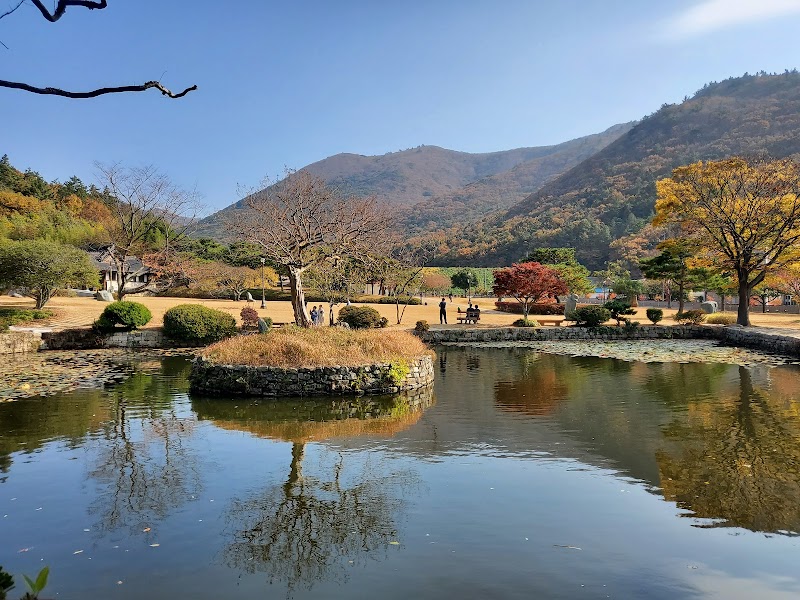
Jirisan National Park, established in 1967 as South Korea's first and one of its largest national parks, encompasses a vast mountainous region across the provinces of South Jeolla, South Gyeongsang, and North Jeolla. It is home to the Jiri Mountain Range, which includes the park's namesake peak, Cheonwangbong, standing at 1,915 meters and ranking as the second highest in South Korea. The park's geography is characterized by dramatic ridges, deep valleys, and diverse forest types ranging from deciduous broadleaf forests to coniferous woodlands. Ecologically, Jirisan provides habitat for many endangered species such as the Asiatic black bear and the Korean goral, making it a critical conservation area. Historically and culturally, the park is dotted with Buddhist temples like Hwaeomsa and Ssanggyesa, blending natural beauty with spiritual heritage. Visitors to Jirisan National Park find ample opportunity for outdoor recreation, including hiking extensive trails that connect multiple mountain ridges, camping in designated campgrounds, and engaging in seasonal birdwatching or wildflower viewing. The park is particularly famous for its challenging multi-day trails along the Baekdu-daegan ridge, offering sweeping scenic vistas and encounters with pristine nature. Due to its large size and mountainous terrain, Jirisan is appealing both to day hikers and long-distance trekkers seeking immersive wilderness experiences. The park’s combination of ecological significance, cultural landmarks, and rugged outdoor adventure opportunities makes it a premier destination in South Korea's protected areas network.