Wilderness Landscape & Natural Heritage
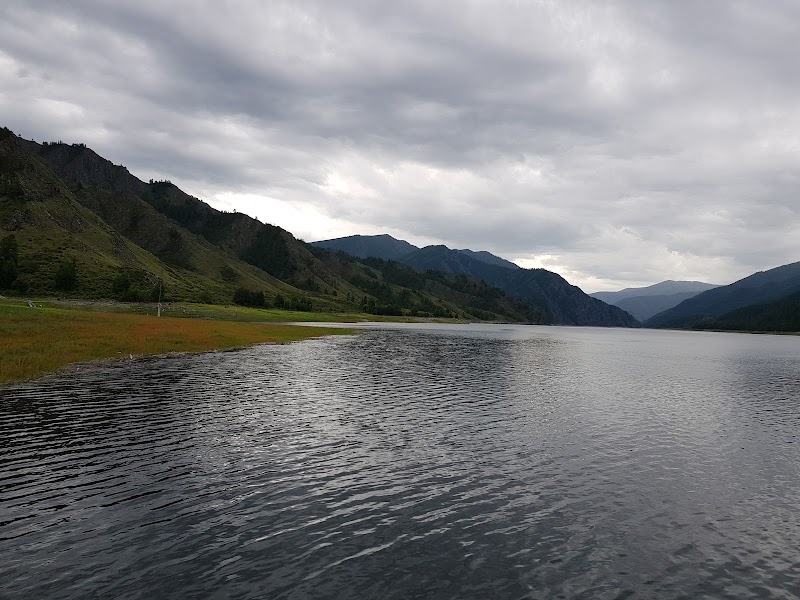
Khakasski Nature Reserve, established in 1999, is located in the Republic of Khakassia in southern Siberia, Russia. It encompasses a diverse range of mountain steppes, forest-steppe, and taiga ecosystems within the West Sayan mountain foothills and the Khakassian Depression. The reserve covers rugged terrain, including rocky mountain ridges, river valleys, and steppe meadows, creating a haven for rare and endemic flora and fauna. The area is particularly notable for its populations of the Siberian mountain goat, marmots, roe deer, and an abundance of bird species, some of which are rare or endangered. The ecological significance of Khakasski lies in its diverse landscapes where forest, steppe, and alpine vegetation coexist, representing a transition zone rich in biodiversity. Historically, the region is also culturally significant due to archaeological findings linked to ancient nomadic tribes and Petroglyphs, which reflect the deep intertwining of human heritage and natural history. While the reserve emphasizes strict protection with limited public access to preserve its ecological integrity, it offers opportunities for scientific research, environmental education, and regulated eco-tourism activities such as guided nature walks and wildlife observation. Visitors are attracted by the pristine survival of Siberian mountain ecosystems and the relative remoteness that imparts a wilderness experience. Key landmarks within the reserve include mountain peaks, natural rock formations, and glacial lakes that enhance the aesthetic and scientific value of the area.