Wilderness Landscape & Natural Heritage
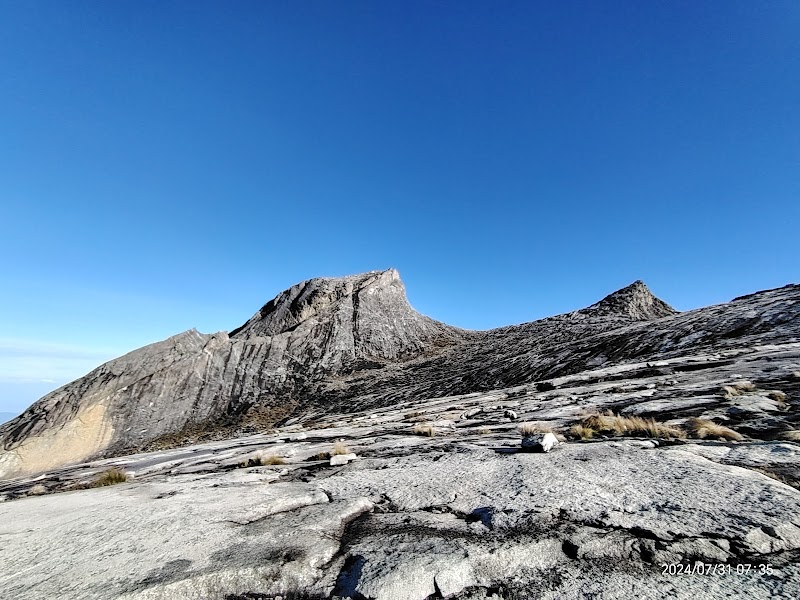
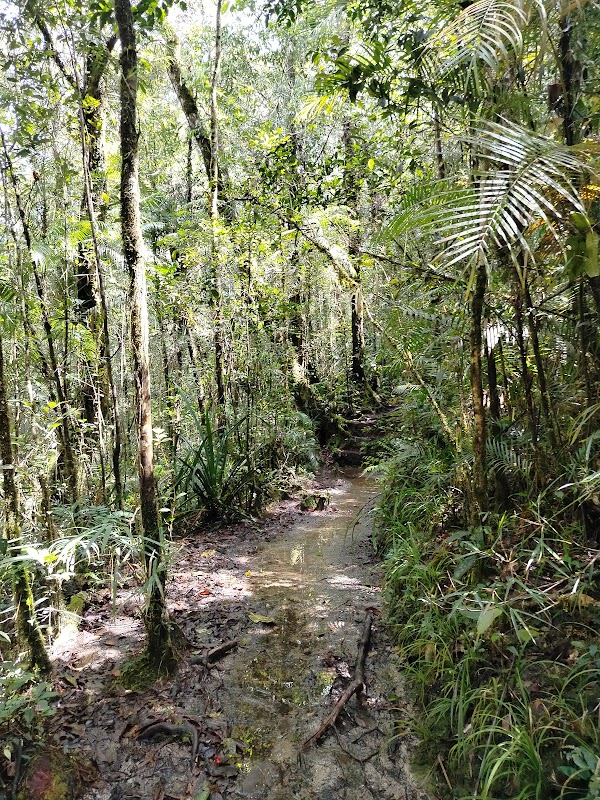
Kinabalu Park is located in the Malaysian state of Sabah on the island of Borneo, protecting the area surrounding Mount Kinabalu, which rises to 4,095 meters (13,435 feet) and is the tallest mountain in Southeast Asia. Established in 1964, the park covers diverse ecosystems ranging from lowland rainforests at its base to alpine meadows and rocky summits at high elevations. This gradient supports an extraordinary variety of flora and fauna, including over 5,000 plant species, 326 bird species, and numerous mammals such as the orangutans and the endemic Kinabalu giant red leech. The park is internationally significant for its biodiversity and is recognized as a UNESCO World Heritage Site. Visitors are drawn to Kinabalu Park primarily for the challenge of climbing Mount Kinabalu, a trek that usually takes two days with a stay at the mountain refuge. Beyond peak climbing, the park offers various trails through dense forests with opportunities for bird watching, botanical studies, and experiencing unique alpine shrubs and orchids. The park facilities include a botanical garden, several natural trails, and a park headquarters with educational exhibits. Its scenic beauty combined with its ecological importance makes Kinabalu Park a key destination for scientists, hikers, and nature lovers. The mountain's granite slopes and diverse ecosystems provide both adventure and education, fostering a strong conservation ethic within Sabah and beyond.