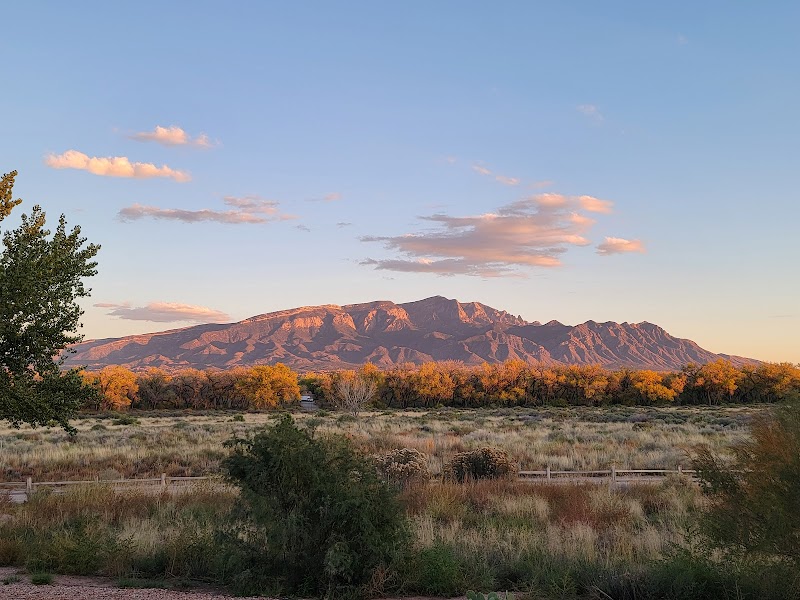
Wilderness Landscape & Natural Heritage
Located in the northeastern part of European Russia within the Komi Republic, the Komi Forest Nature Reserve covers an extensive area of untouched boreal forest, part of the greater Virgin Komi Forests, recognized as a UNESCO World Heritage Site. Established in 1994, the reserve spans dense coniferous woodlands dominated by spruce, fir, pine, and Siberian larch. It protects rare northern ecosystems including old-growth forests, peat bogs, and clear rivers that support diverse wildlife such as brown bears, lynx, sable, reindeer, and the vulnerable Siberian flying squirrel. The reserve’s terrain is marked by swamps, hummocks, and low hills characteristic of the taiga biome. Human impact is minimal, providing unparalleled opportunities for scientific research and nature conservation. Recreational access is highly restricted, but guided ecological tours and scientific expeditions allow visitors to experience the region’s pristine wilderness. Visitors can engage in hiking along designated routes, wildlife observation, and photographic expeditions, especially during the summer months when the forest blooms and migratory bird populations peak. The reserve also features cultural heritage related to indigenous Komi people who have historically inhabited the region. Accessibility is challenging due to remote location and limited infrastructure, but this enhances the reserve’s appeal for visitors seeking undisturbed nature and ecological study. Komi Forest Nature Reserve stands out as an essential refuge for biodiversity and a critical carbon sink within the boreal zone, showcasing one of the last expanses of natural forest in Europe.