Wilderness Landscape & Natural Heritage
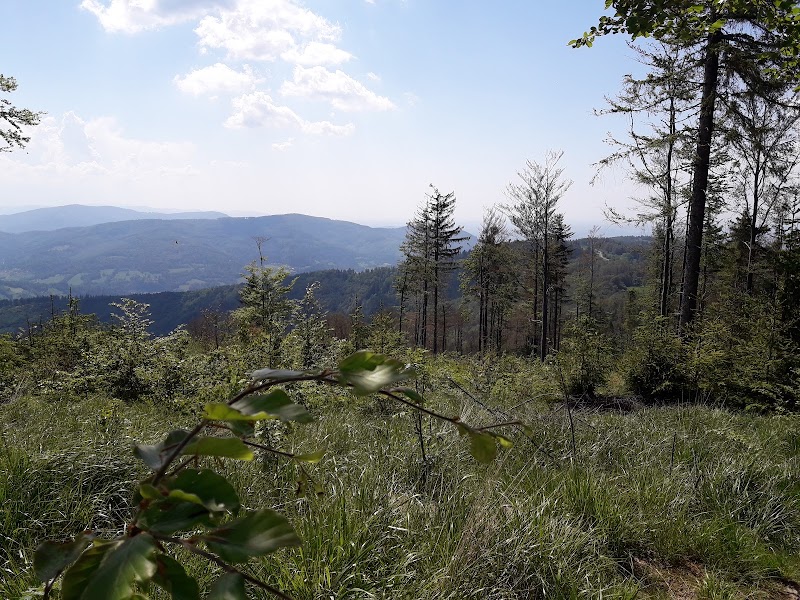
The Králický Sněžník National Nature Reserve encompasses the area around the Králický Sněžník mountain, the third highest peak in the Eastern Sudetes mountain range, standing at 1,424 meters above sea level. Straddling the border region between the Czech Republic and Poland, this reserve is noted for its distinctive alpine meadows, peat bogs, and well-preserved subalpine spruce forests, providing critical habitat for several rare and endemic species. The area was designated as a national nature reserve due to its exceptional ecological value and relatively undisturbed natural environment.
Ecologically, the reserve hosts a wide variety of flora and fauna, including endangered species such as the Eurasian lynx, black stork, and numerous orchid varieties. The alpine peat bogs are a significant feature, contributing to the unique hydrology of the region and supporting sensitive plant communities.
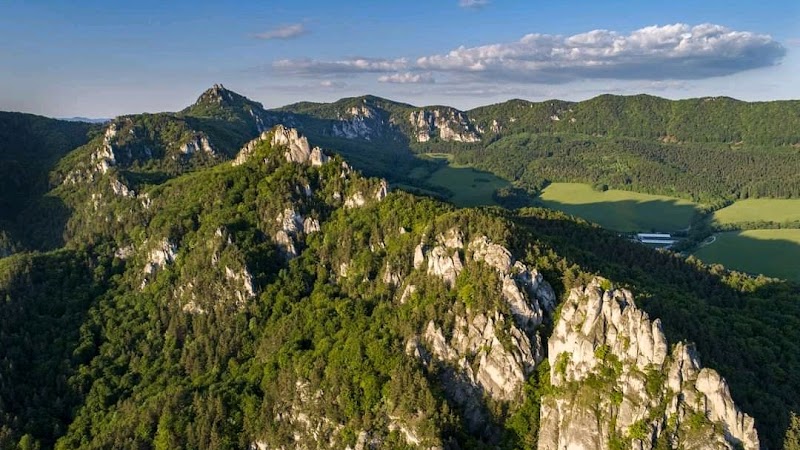
Visitors are drawn to the reserve for its extensive network of marked hiking trails that traverse diverse terrain—from dense coniferous forests to subalpine meadows and rocky summits. The peak of Králický Sněžník provides panoramic vistas over both Czech and Polish landscapes, making it a favorite destination for photographers and nature lovers. Winter transforms the area into a venue for snowshoeing and cross-country skiing, enhancing its year-round appeal.
Historically, the region has been shaped by forestry and traditional alpine farming practices, but conservation efforts have intensified since the reserve's establishment, aiming to preserve its natural heritage. The reserve also serves as a watershed for several important rivers, supplying clean water to surrounding communities. Overall, Králický Sněžník National Nature Reserve is a prime example of Central European mountain wilderness, combining natural beauty, ecological significance, and outdoor recreation opportunities.