Wilderness Landscape & Natural Heritage
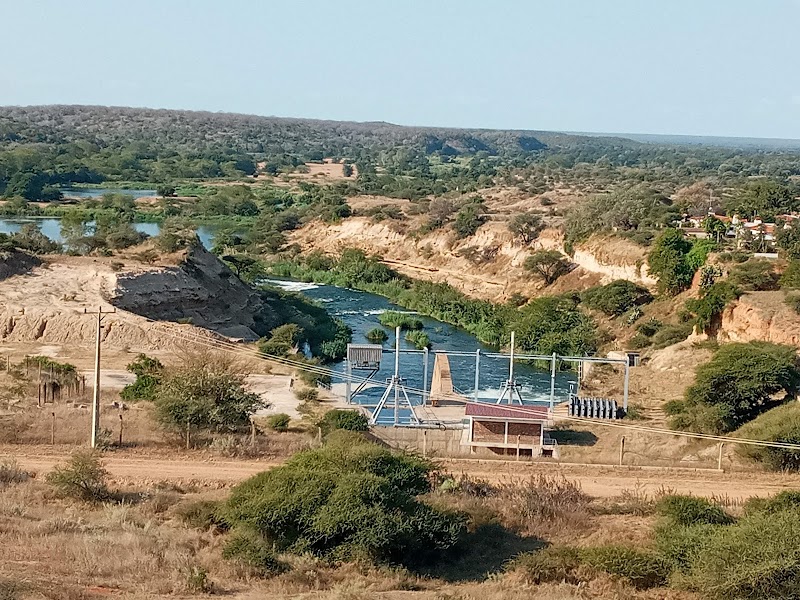
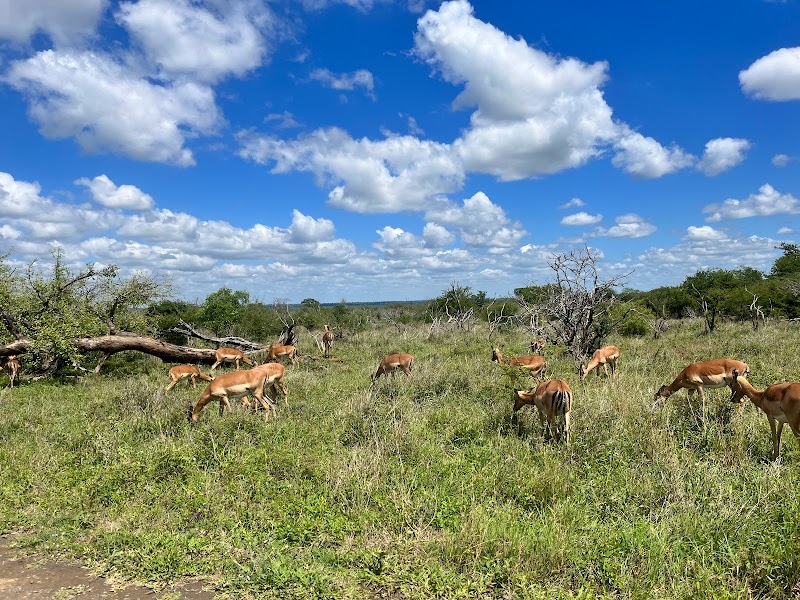
Kruger National Park, one of Africa’s largest and most renowned wildlife reserves, spans nearly 7,523 square miles (about 1.9 million hectares) across the provinces of Mpumalanga and Limpopo in northeastern South Africa. The park covers a diverse range of ecosystems, including savannah woodlands, riverine forests, and grasslands, supporting some of the continent's most iconic wildlife species such as the Big Five—lion, leopard, elephant, buffalo, and rhinoceros. Established in 1898 and officially proclaimed a national park in 1926, Kruger has grown into a world-class conservation and safari destination with a rich cultural history that includes archaeological sites featuring ancient rock art.
The park is accessed through multiple official gates, each serving as a strategic entry gateway providing access to different regions and habitats within the park. Major entry gates include Paul Kruger, Orpen, Phabeni, Crocodile Bridge, and Malelane, among others. These gates offer amenities such as visitor centers, security checkpoints, and often fuel and food services. Once inside, visitors can explore extensive gravel and paved roads that facilitate self-drive safaris, guided game drives, walking safaris, and bird watching.
Kruger National Park is known for its abundant wildlife viewing opportunities available year-round, with the dry winter months (May to September) often providing the best visibility due to sparse vegetation and animals concentrating near waterholes. Various camps and lodges inside the park, from basic rest camps to luxury safari lodges, provide comfortable accommodations. Visitors are attracted to Kruger not only for its wildlife but also for its role in conservation education, offering programs on ecological preservation and the protection of endangered species such as the black rhino. The park operates under strict regulations to preserve its natural environment while enabling unforgettable wildlife experiences.