Wilderness Landscape & Natural Heritage
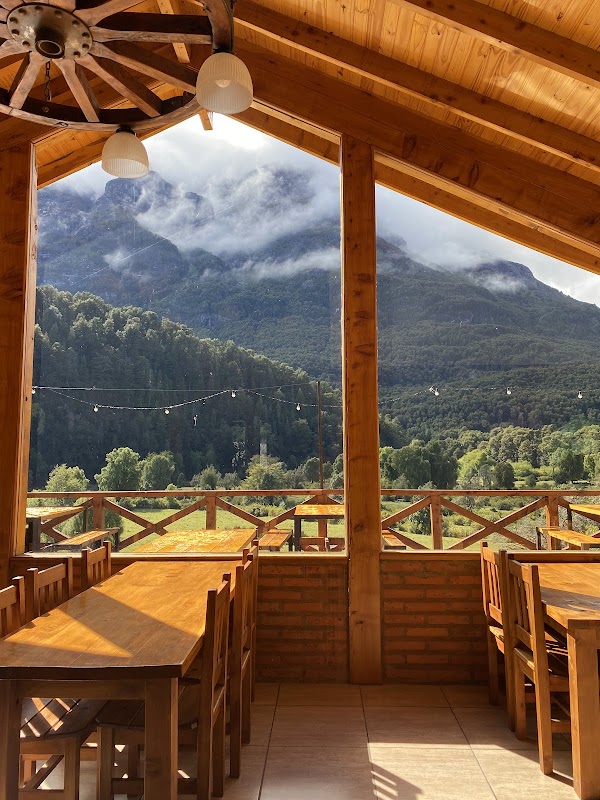
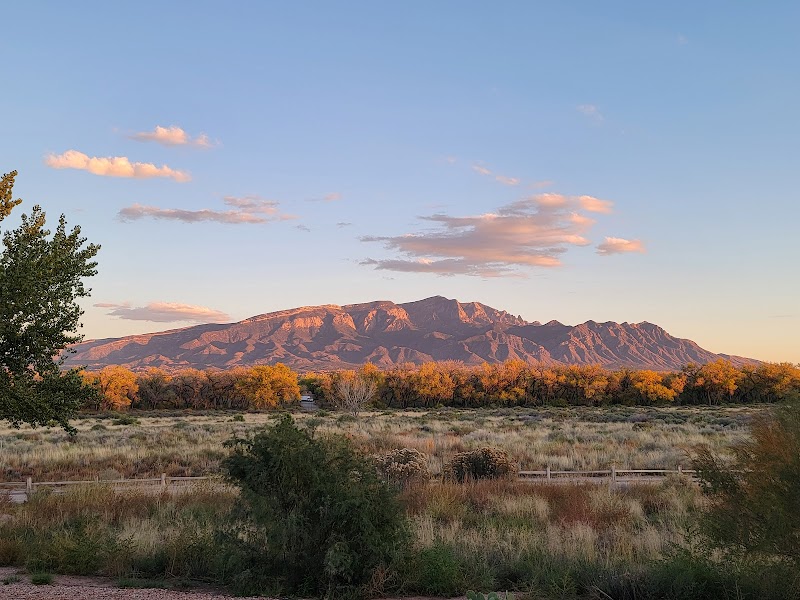
La Buitrera Wetlands is located in the Río Negro Province of northern Patagonia, Argentina. This wetland complex comprises a mosaic of shallow lakes, marshes, peat bogs, and floodplains, formed primarily by seasonal rains and groundwater discharge. The area plays a crucial role in regional water filtration, flood control, and carbon sequestration. Its temperate climate and diverse aquatic ecosystems support a wide range of flora including native grasses, sedges, and aquatic plants, which in turn provide habitats for diverse fauna. The wetlands are home to numerous bird species such as southern river otters, black-necked swans, and several species of ducks and waders, making it a hotspot for birdwatching. Additionally, reptiles, amphibians, and fish species thrive in these waters, sustaining a balanced food web. Historically, this region has been inhabited by the Mapuche people, who have maintained a respectful relationship with the natural environment. Recreational opportunities here focus on low-impact nature activities like guided wildlife viewing, ecological photography, and gentle hiking on established paths. The landscape’s tranquility and diversity attract ecotourists and researchers interested in wetland conservation and Patagonian ecosystems. Access to the wetlands is relatively remote, preserving its natural state and providing a peaceful outdoor experience. The area also serves as an outdoor classroom for studying wetland ecology and regional biodiversity, highlighting the importance of protecting these fragile habitats in the face of climate change and agricultural expansion. Visitors appreciate the blend of stunning natural beauty, wildlife encounters, and the chance to explore an ecosystem that is both rare and increasingly threatened worldwide.