Wilderness Landscape & Natural Heritage
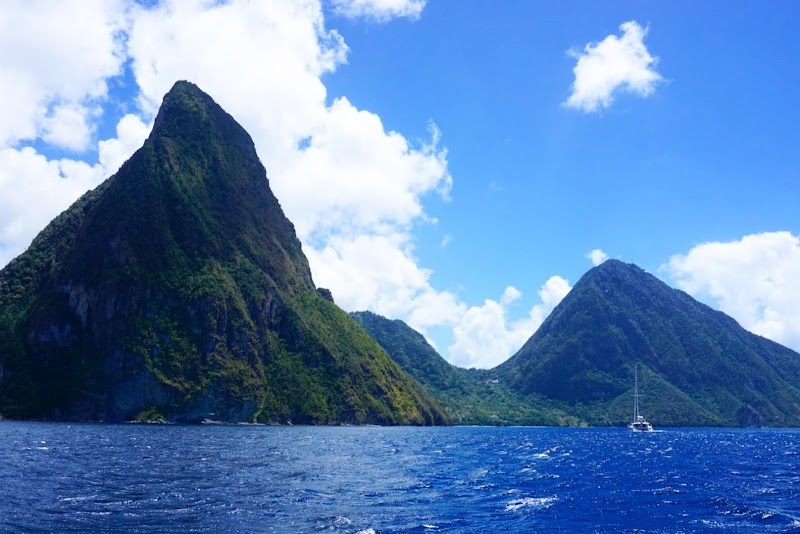
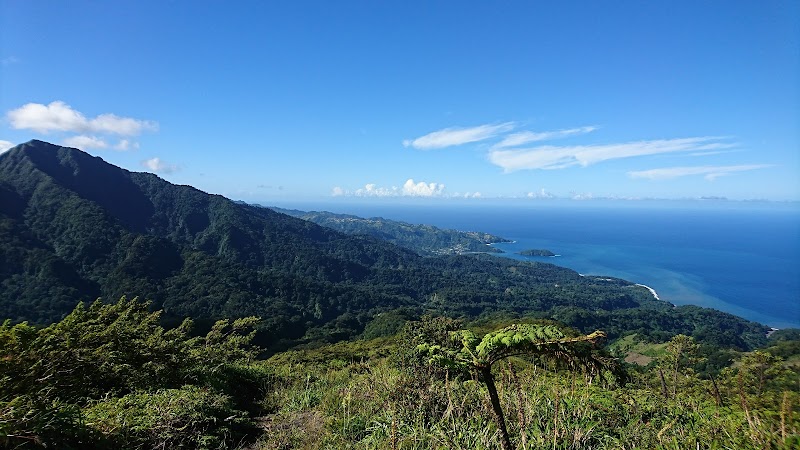
La Soufrière Volcano National Park is home to the La Soufrière volcano, the highest peak on the island of St. Vincent in the Caribbean. This active stratovolcano rises to approximately 1,234 meters (4,049 feet) and dominates the surrounding landscape, a defining feature of the island's geography. The park encompasses rugged volcanic terrain, lush tropical rainforests, and a variety of volcanic formations such as fumaroles, steam vents, and sulfur springs. Vegetation varies significantly with elevation—lower slopes support dense tropical forests rich in endemic and Caribbean flora, while the upper slopes are marked by sparse vegetation shaped by recent volcanic activity. The park protects diverse wildlife including tropical birds, reptiles, and invertebrates adapted to the volcanic environment. Historically, La Soufrière has erupted several times, notably in 1979 and 2021, impacting local communities and reshaping the landscape, making it one of the most closely monitored active volcanoes in the region. Recreational opportunities focus primarily on hiking, with challenging trails leading to the summit crater, where visitors can observe volcanic activity and dramatic panoramic views of St. Vincent, neighboring islands, and the Caribbean Sea. The park’s combination of geological significance, ecological diversity, and cultural importance attracts both nature enthusiasts and scientific visitors. Visitors should be aware of volcanic hazards and seasonal weather patterns, as the park is located in a tropical climate with distinct wet and dry seasons. Despite its volcanic activity, La Soufrière Volcano National Park remains a captivating destination for experiencing tropical volcanic landscapes and adventurous hiking.