Wilderness Landscape & Natural Heritage
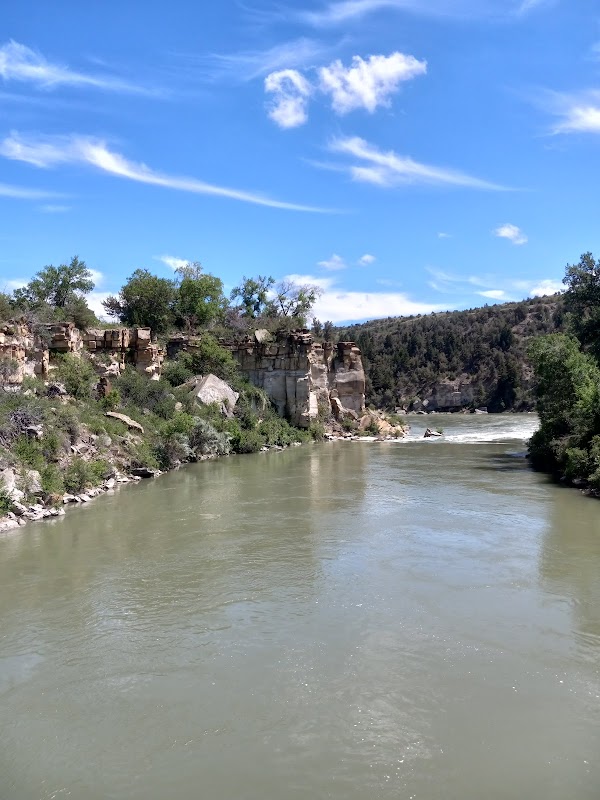
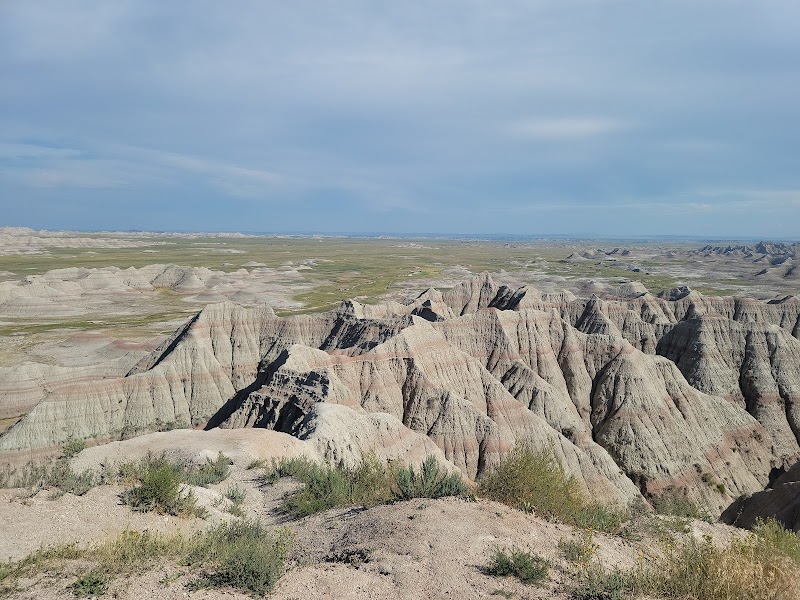
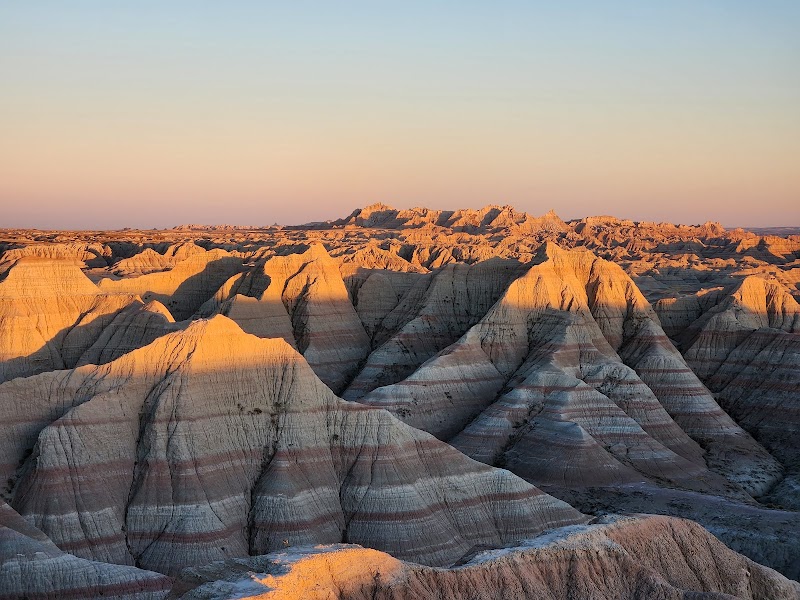
Lake Oahe Wildlife Management Area (WMA) is situated along the eastern shoreline of Lake Oahe, a massive reservoir formed by the Oahe Dam on the Missouri River, spanning South Dakota and North Dakota. The WMA comprises thousands of acres of wetlands, native prairie, riparian zones, and shoreline habitats that support diverse plant and animal communities. It serves as crucial habitat for migratory waterfowl, including ducks, geese, and shorebirds, as well as upland game species like pheasants and deer. Fishing is popular in the adjacent lake and river waters, with anglers seeking walleye, northern pike, and catfish. The area supports a variety of recreational activities such as hunting, birdwatching, boating, and hiking. Lake Oahe itself is one of the longest reservoirs in the United States, extending roughly 230 miles, and is a dominant landscape feature. The WMA was established to conserve wildlife habitats amid agricultural development and provide public access for hunting and wildlife-related recreation. Visitors can experience expansive horizons framed by rugged badlands, prairie grasslands, and marshy wetlands. With its diverse ecosystems and variety of outdoor opportunities, Lake Oahe WMA attracts hunters, anglers, photographers, and nature enthusiasts. Facilities are generally basic, emphasizing a remote, natural setting. The area is especially renowned during fall migration when waterfowl numbers peak, and spring brings rare birdwatching sightings. Lake Oahe WMA plays an essential role in conserving critical habitats in the Northern Plains ecoregion while offering accessible outdoor recreation close to local communities.