Wilderness Landscape & Natural Heritage
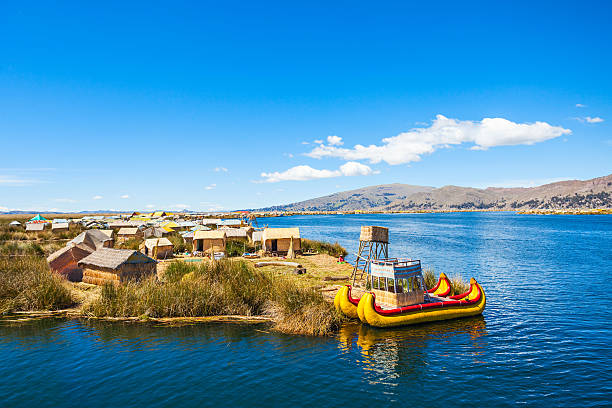
Lake Titicaca National Reserve encompasses the ecosystem of Lake Titicaca, which straddles the border between Peru and Bolivia in the Andes Mountains. At about 3,812 meters (12,507 feet) above sea level, it is the highest navigable lake in the world and spans roughly 8,372 square kilometers. The reserve protects fragile wetland habitats, native fish species, and several endemic and migratory birds, including the Titicaca water frog and the endangered giant coot. The lake has deep historical and cultural significance as the cradle of Andean civilizations and is home to indigenous Uros peoples living on floating reed islands. Visitors can explore reed boat rides, traditional villages, and archaeological sites such as the Chullpas of Sillustani and temples on the islands of Taquile and Amantani. Outdoor enthusiasts enjoy boating, fishing, birdwatching, and hiking scenic trails offering panoramic views of the lake and surrounding snow-capped peaks. The high elevation creates a distinct alpine climate with intense sun exposure and cool temperatures. The reserve balances conservation efforts with sustainable tourism and local livelihoods, aiming to protect its rich biodiversity and cultural heritage.