Wilderness Landscape & Natural Heritage
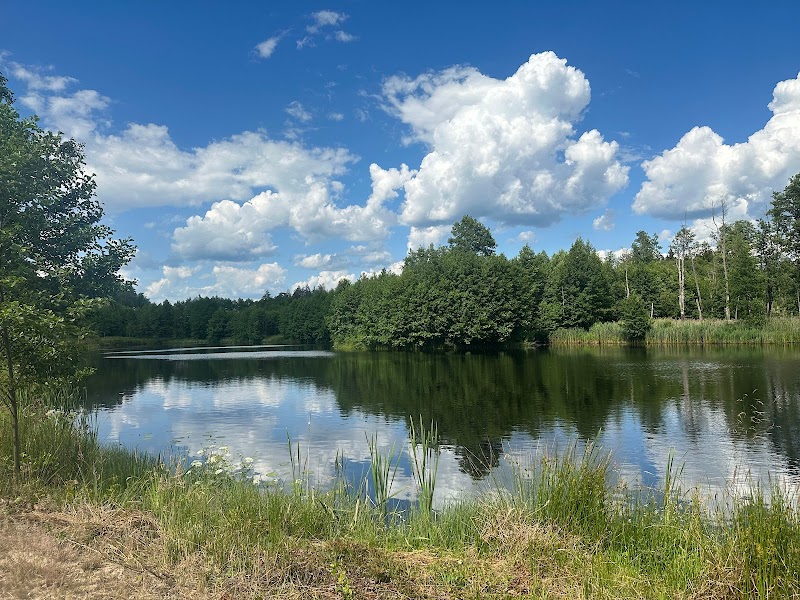
Łęczna-Włodawa Lakeland Protected Area, located in the Lublin Voivodeship of eastern Poland, encompasses a diverse and picturesque region carved by glacial activity during the Pleistocene era. The area is renowned for its numerous lakes, peat bogs, wetlands, and mixed forests, all formed in a postglacial landscape. This protected landscape park covers roughly 118,000 hectares and serves as an important ecological corridor in central-eastern Poland, hosting a wide variety of flora and fauna, including species typical of both boreal and temperate zones. The region is an important habitat for many bird species, including migratory waterfowl, and supports populations of otters, beavers, and other mammals. Historically, this area has been sparsely populated and thus retains much of its natural character and tranquility. Outdoor recreation opportunities are plentiful, ranging from hiking and cycling along marked trails, birdwatching in the wetland complexes, kayaking and canoeing on the connected lakes and rivers, to winter sports such as cross-country skiing. The Łęczna-Włodawa Lakeland serves as an excellent example of sustainable land use, protecting valuable ecosystems amid agricultural and rural landscapes. Visitors are attracted to its peaceful environment, scenic water bodies, and rich wildlife, making it an ideal destination for eco-tourism and educational outings. The landscape park also contains cultural and historical landmarks, including traditional villages, wooden architecture, and remnants of World War II history. Overall, Łęczna-Włodawa Lakeland Protected Area offers an immersive experience into Poland’s natural heritage and is a haven for outdoor enthusiasts seeking nature-based recreation away from urban centers.