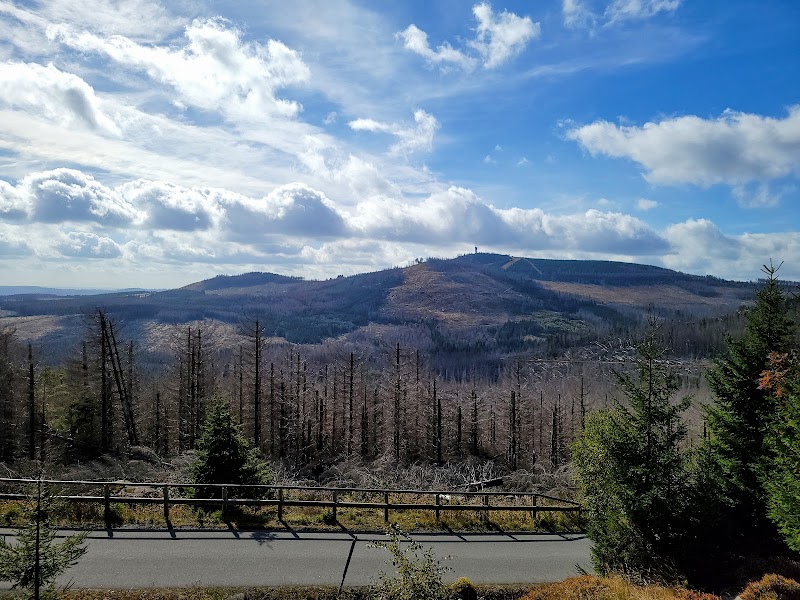
Wilderness Landscape & Natural Heritage
Leine-Heide Nature Park, located in the heart of Lower Saxony, Germany, spans a broad region characterized by the scenic Leine River and vast heathlands known locally as the Lüneburg Heath. Established in 1971, the park covers a mosaic of natural environments ranging from river valleys and mixed forests to open heath and meadows, providing vital habitat for many rare and endangered species, including the European wildcat and black stork. The park’s geography is defined by the Leine River flowing northward, creating riparian landscapes that contrast with expansive sandy heaths interspersed with juniper bushes. Historically, this region has been shaped by centuries of low-intensity agriculture and traditional sheep grazing, which maintain the open heath habitat crucial to local biodiversity. Recreationists can enjoy a well-developed network of hiking and cycling trails, allowing visitors to explore cultural landmarks such as historic villages, moor churches, and traditional farmsteads. Notable points of interest within the park include the historic Celle Castle nearby, the traditional heath landscape at Wietzer Berg, and the numerous natural reserves protecting unique heath and forest ecosystems. Birdwatchers are drawn to seasonal migrations and the abundance of species inhabiting the area. The park’s educational programs and visitor centers reflect a strong local commitment to sustainable tourism and nature conservation, making it a popular destination for families, nature lovers, and outdoor enthusiasts seeking tranquility combined with cultural heritage.