Wilderness Landscape & Natural Heritage
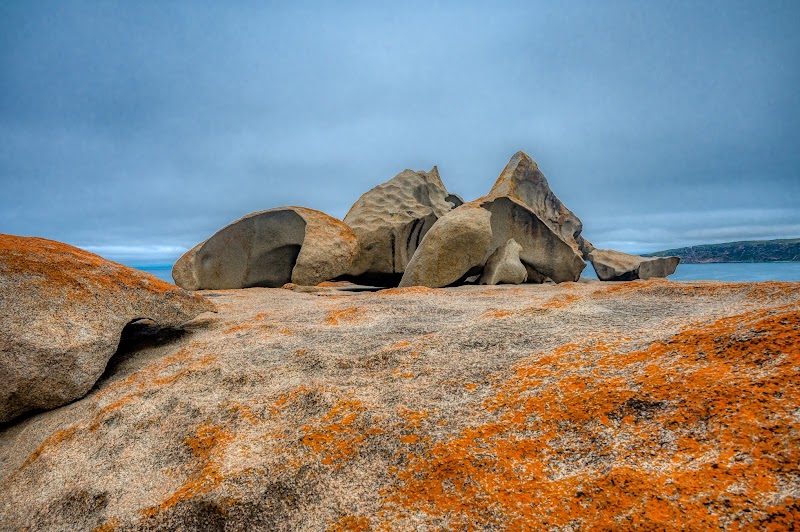
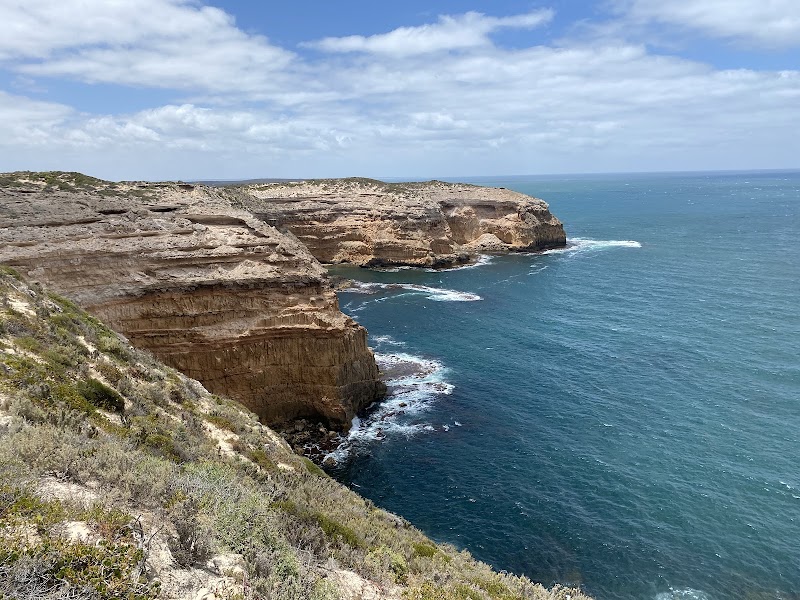
Lincoln National Park is located on the lower Eyre Peninsula in South Australia, encompassing approximately 26,000 hectares of coastal and inland terrain. The park is distinguished by its rugged cliffs, sweeping beaches, and dense woodland areas dominated by sheoak and mallee vegetation. It features significant biodiversity, including varied bird species, native mammals, and marine life along its sheltered bays. The park has important cultural significance to the Barngarla people, who have inhabited the region for thousands of years. Established in 1941, Lincoln National Park protects coastal dunes, granite headlands, and significant Aboriginal sites. Outdoor enthusiasts can explore numerous walking trails, including the coastal paths that reveal panoramic views of the Great Australian Bight. The park is popular for fishing, with protected bays offering safe anchorage and abundant marine species. Visitor attractions include the historic Cape Donington Lighthouse and the coastal habitat at Memory Cove, where visitors can learn about early explorers and shipwreck history. The park’s natural environment attracts bird watchers, campers, and those looking to experience relatively undisturbed coastal wilderness. Facilities include designated campgrounds, picnic areas, and interpretive signage to enrich visitor understanding of the park’s natural and cultural heritage.