Wilderness Landscape & Natural Heritage
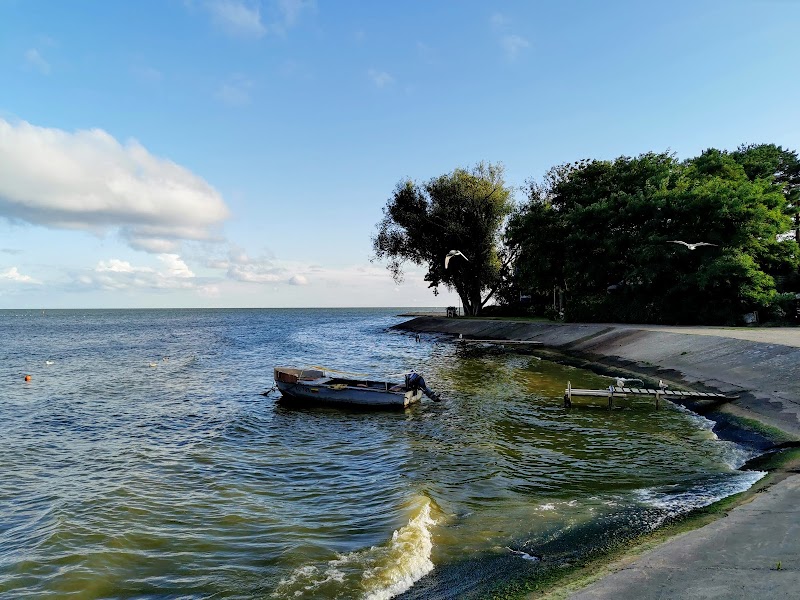
The Drwęca River, one of the most ecologically valuable watercourses in northern Poland, flows through a mosaic of local nature reserves that protect its unique riverine environments, wetlands, and old-growth forests. These reserves, scattered along the river’s 231 km course between the regions of Warmian-Masurian and Kuyavian-Pomeranian Voivodeships, serve as vital habitats for many protected plant and animal species, including European beavers, otters, rare fish, and several bird species such as the white-tailed eagle and black stork. Geographically, the river meanders through valleys and moraine hills formed during the last glaciation, creating picturesque landscapes that blend steep banks, river islets, sandy beaches, and floodplain meadows. Historically, the Drwęca corridor has been valued for centuries, not only as a natural landmark but also for its cultural heritage sites like ancient mills and small historic villages bordering the water. Visitors to local reserves, including areas like the Jędrychowski Ług and Kujawsko-Pomorskie Forest Complex reserves, can enjoy diverse recreational activities such as hiking on marked nature trails, canoeing and kayaking on the relatively calm and clean river, birdwatching from observation towers, and angling in designated areas. Seasonal floods enrich the wetland ecosystems, supporting a dynamic and resilient habitat. The reserves are accessible via local roads and small towns such as Brodnica and Lubawa, making them popular spots for outdoor enthusiasts seeking tranquility and natural beauty in a mostly unspoiled setting.