Wilderness Landscape & Natural Heritage
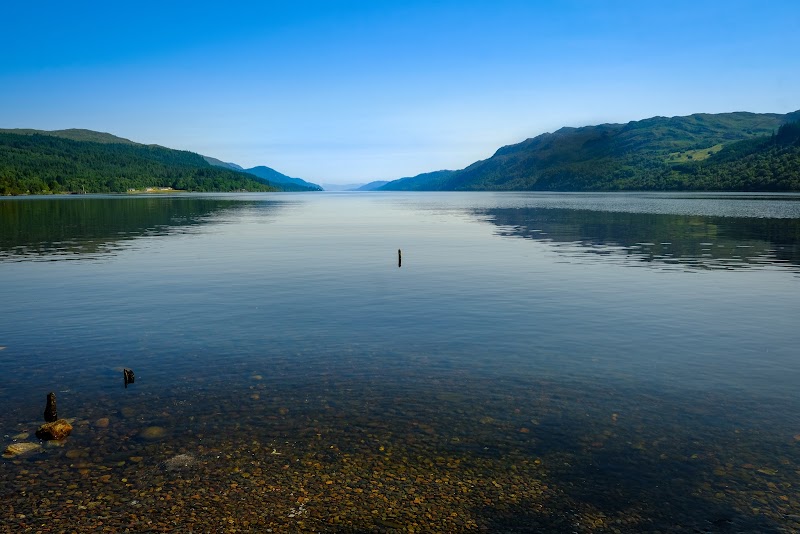
Loch Ness Conservation Area encompasses the extensive freshwater loch located in the Scottish Highlands, stretching approximately 23 miles (37 km) southwest of Inverness. The loch is famously renowned for its mysterious depths, deep freshwater habitat, and the legendary Loch Ness Monster tradition. The conservation area protects a variety of habitats including shorelines, wetlands, woodlands, and moorlands that support a rich diversity of wildlife such as otters, red deer, fish species like brown trout and Atlantic salmon, and numerous bird species including ospreys and golden eagles. The area’s geology, characterized by its glacial origins and steep surrounding hills, creates dramatic landscapes combined with cultural sites like Urquhart Castle, which sits on Loch Ness’s western shore and offers insight into Scottish history and conflict. Outdoor recreation within the conservation area includes hiking, boating, fishing, wildlife observation, and photography. Popular hiking trails follow the loch’s shoreline or ascend nearby summits for panoramic views of the loch’s calm waters and Highlands scenery. Boating and kayaking are popular activities, providing a quiet way to explore the loch and its quieter bays. The area also appeals to anglers drawn by the loch’s rich fish populations. Conservation efforts focus on protecting the water quality, native habitats, and balancing tourism with environmental stewardship. Visitors experience a combination of evocative natural scenery, wildlife diversity, and cultural heritage, making Loch Ness Conservation Area a distinctive destination in Scotland’s outdoor recreation landscape.