Wilderness Landscape & Natural Heritage
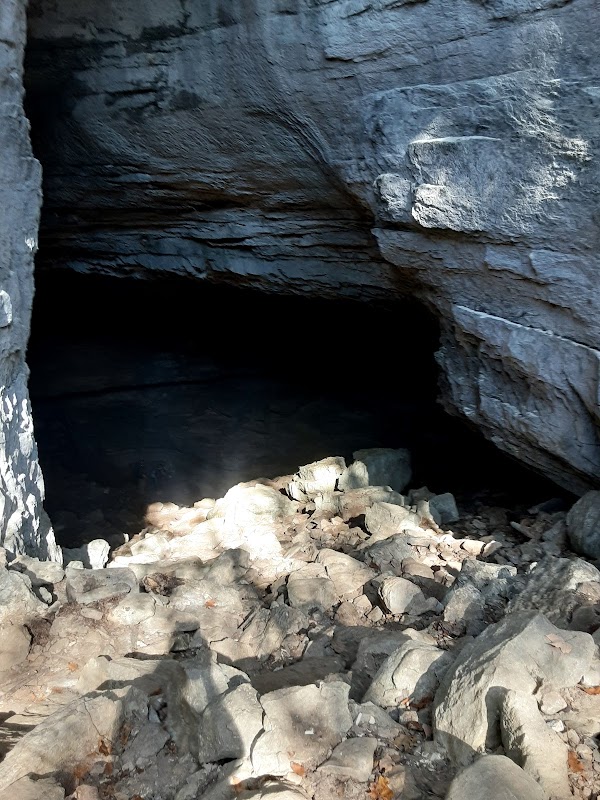
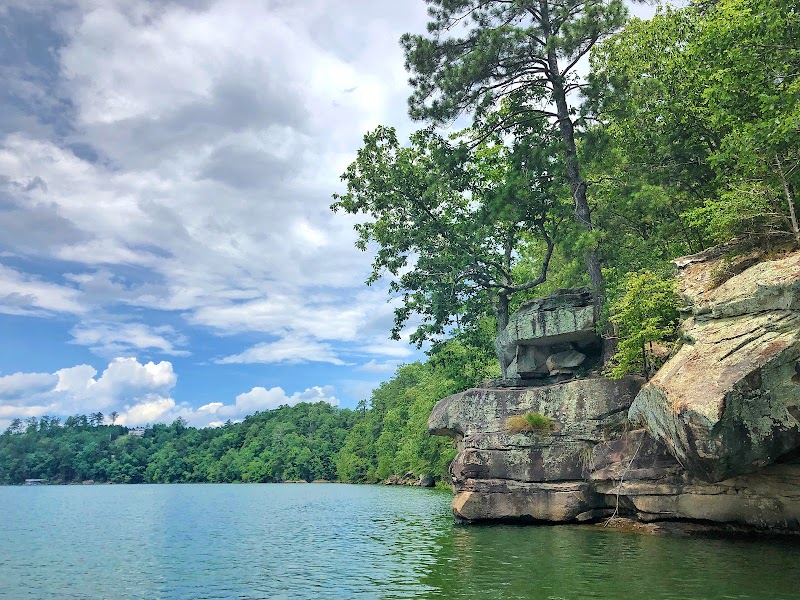
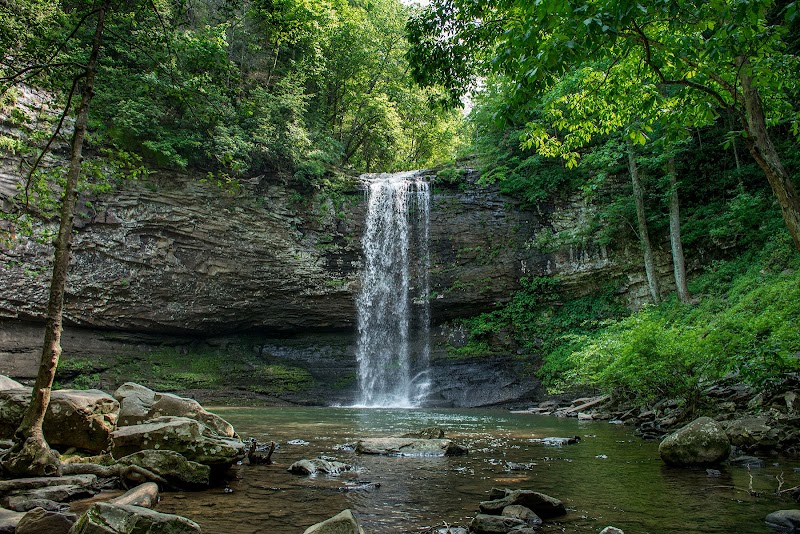
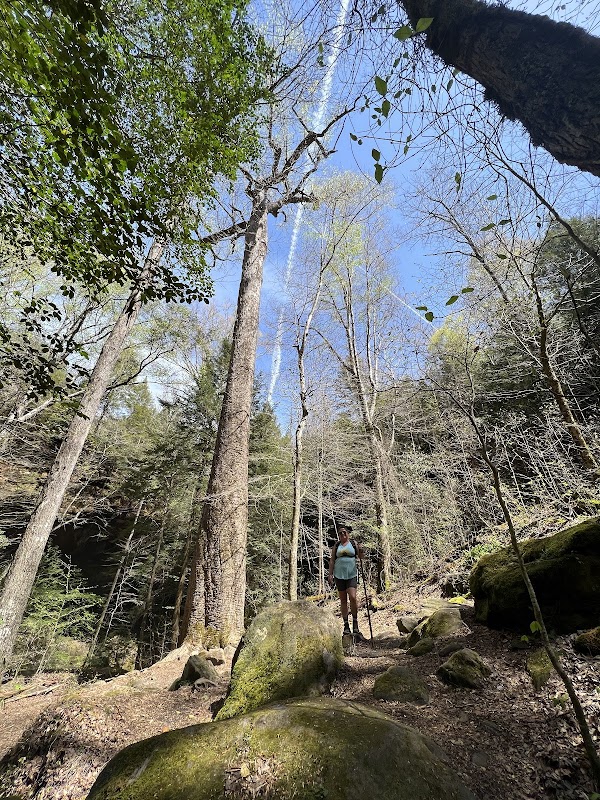
Locust Fork Wildlife Management Area (WMA) is located in northeastern Alabama, approximately 30 miles north of Birmingham. Spanning over 4,000 acres along the scenic Locust Fork of the Black Warrior River, this WMA features a mix of hardwood forests, river floodplains, and open fields that support a diverse range of wildlife. The area is managed primarily for hunting, fishing, and wildlife conservation, providing habitat for white-tailed deer, wild turkey, small game, and numerous songbird species. Anglers are drawn to the Locust Fork River for its smallmouth bass and catfish populations, while hunters frequent the area during season for a chance at deer and turkey. Although primarily focused on hunting and fishing, the WMA also offers opportunities for hiking, birdwatching, and photography along informal trails and river access points. Historically, the Locust Fork area has been used by indigenous peoples and early settlers for its rich natural resources, with the river serving as a critical waterway. Today, the WMA is managed by the Alabama Department of Conservation and Natural Resources to balance recreational use and habitat preservation. Visitors appreciate the quiet, less-developed nature of this area compared to nearby state parks and forests. The mix of riverine environments and upland hardwoods creates excellent conditions for observing a variety of wildlife throughout the seasons. The Locust Fork WMA also contributes to regional conservation efforts by protecting riparian corridors essential to water quality and aquatic species. Outdoor enthusiasts seeking a less crowded, natural setting for fishing or seasonal hunting will find Locust Fork Wildlife Management Area a rewarding destination.