Wilderness Landscape & Natural Heritage
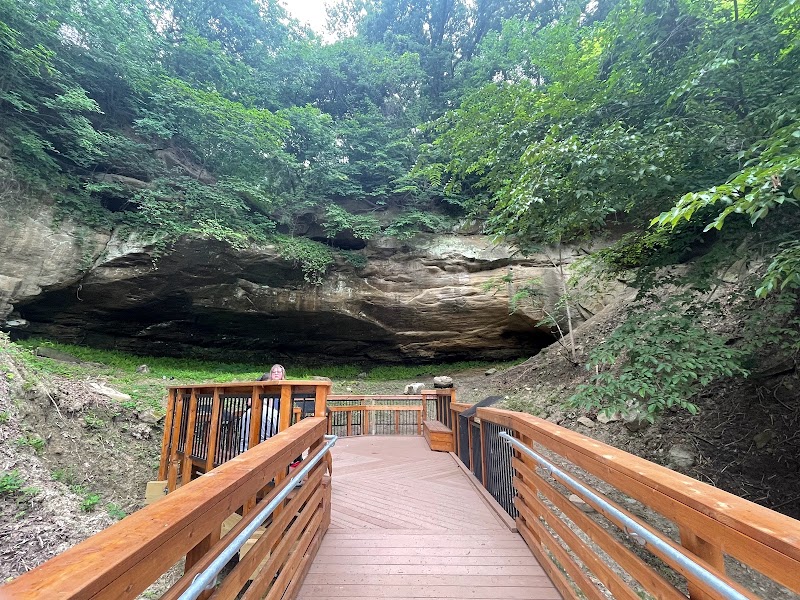
The Loess Hills National Scenic Byway runs approximately 220 miles along the western edge of Iowa and extends briefly into northwestern Missouri. This scenic byway follows the region's distinct Loess Hills, a rare landform comprised of deep deposits of windblown silt (loess) creating steep bluffs and ridges rising sharply from the Missouri River Valley. These hills reach heights of over 200 feet and stretch southward from Sioux City, Iowa, toward the Missouri border. Formed during the last Ice Age, the hills are significant for their unusual geology, rare prairie ecosystems, and diverse wildlife. Visitors can explore native prairie remnants, oak-hickory forests, and unique plant species found primarily in this area. The region has rich cultural history with Native American presence, pioneer settlement, and continuing agricultural use. Travelers on the byway experience scenic overlooks, small towns, and preserved natural areas managed by state parks and wildlife refuges along the route. Popular activities include hiking through preserved prairie landscapes, birdwatching—especially for raptors and grassland species—and photography of dramatic hills and river valley vistas. Key stops include preparation points near Loess Hills State Forest, Hitchcock Nature Center, and preparation for hiking at preparation points like Preparation Canyon State Park. The drive is especially popular in spring and fall when wildflowers bloom or foliage shifts to vibrant colors. The byway invites a blend of outdoor recreation, nature study, and leisurely exploration along one of the most distinctive landscapes in the Midwest.