Wilderness Landscape & Natural Heritage
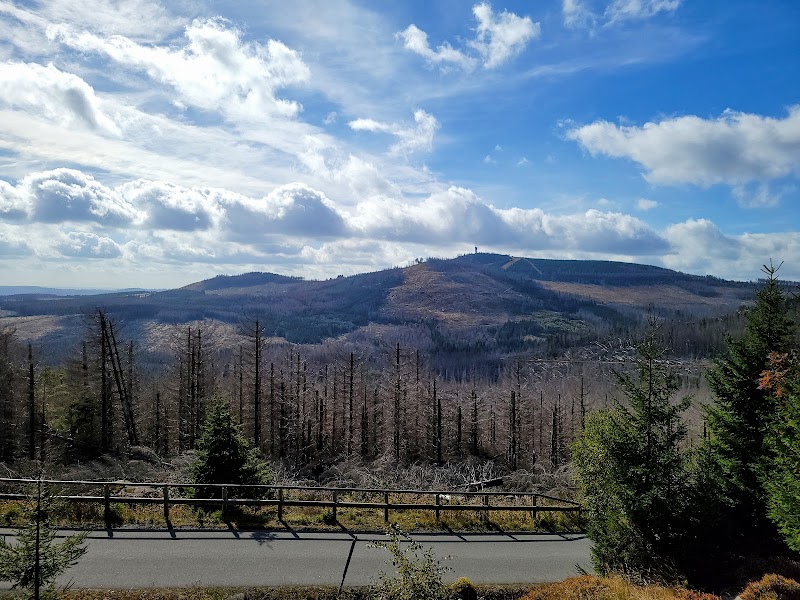
Lüneburg Heath Nature Park spans roughly 1,130 square kilometers in the state of Lower Saxony, Germany. It is characterized by its extensive heathlands, pine forests, flowing streams, and small agricultural areas shaped by centuries of human influence. The heath, dominated by blooming heather (Calluna vulgaris), attracts visitors especially during late summer when purple blossoms cover the landscape. This nature park represents one of Europe’s largest continuous heath areas, offering important habitat for rare birds such as the black grouse and red kite, as well as reptiles like the smooth snake. Historically, the heath developed from deforested land used for sheep grazing, which has resulted in a rich cultural landscape. Around the park, traditional heath villages preserve unique architecture with thatched roofs. Outdoor enthusiasts find a variety of well-marked trails for hiking, mountain biking, horse riding, and nature walks. The park also features the Wilseder Berg, the highest elevation in the heath at 169 meters, providing panoramic views. The Lüneburg Heath Nature Park is easily accessible from nearby towns like Lüneburg, Soltau, and Buchholz, making it a popular destination for day trips and longer visits. Seasonal festivals celebrate the blooming heath and local traditions. The area’s combination of natural beauty, cultural heritage, and outdoor recreation make it a well-loved protected place in northern Germany.