Wilderness Landscape & Natural Heritage
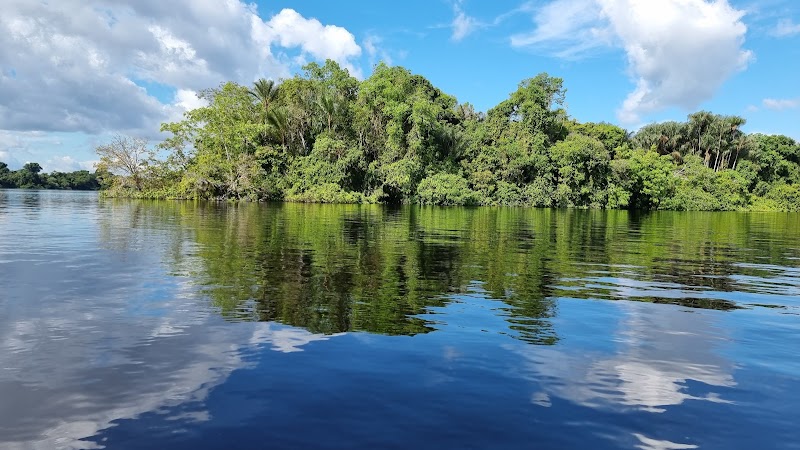
Located in the central Amazon Basin of Brazil’s Amazonas state, the Mamirauá Sustainable Development Reserve spans a vast area of seasonally flooded rainforest known as the várzea. This unique ecosystem comprises a maze of rivers, lakes, and islands that are submerged during the annual flood pulse, dramatically reshaping the landscape and creating critical habitats for an astonishing diversity of species. Established in 1996, Mamirauá is one of the first reserves in Brazil designed to integrate conservation with sustainable use by local communities, primarily traditional riverine populations who rely on fishing and extractive activities.
Ecologically, Mamirauá is internationally recognized as a hotspot for biodiversity, harboring endangered species such as the Amazonian manatee, black caiman, giant otters, and the elusive harpy eagle. The reserve also supports one of the largest populations of the endemic white uakari monkey. Birdwatchers and naturalists can witness a kaleidoscope of avian species thriving in this flooded forest biome.
Visitors to Mamirauá experience immersive, often boat-based explorations of its water trails, wildlife observation towers, and research stations. The reserve’s remoteness and seasonal accessibility mean travel here involves careful planning, often beginning from Tefé or Fonte Boa. Popular activities include guided canoe trips, birding, fishing (catch and release), and cultural tours that highlight the sustainable lifestyles of indigenous and traditional populations.
Mamirauá stands as a global model for conservation through participatory management, balancing human presence with habitat preservation. Its quiet lagoons, dense flooded forests, and remarkable biodiversity make it a must-visit destination for eco-tourists and researchers alike.