Wilderness Landscape & Natural Heritage
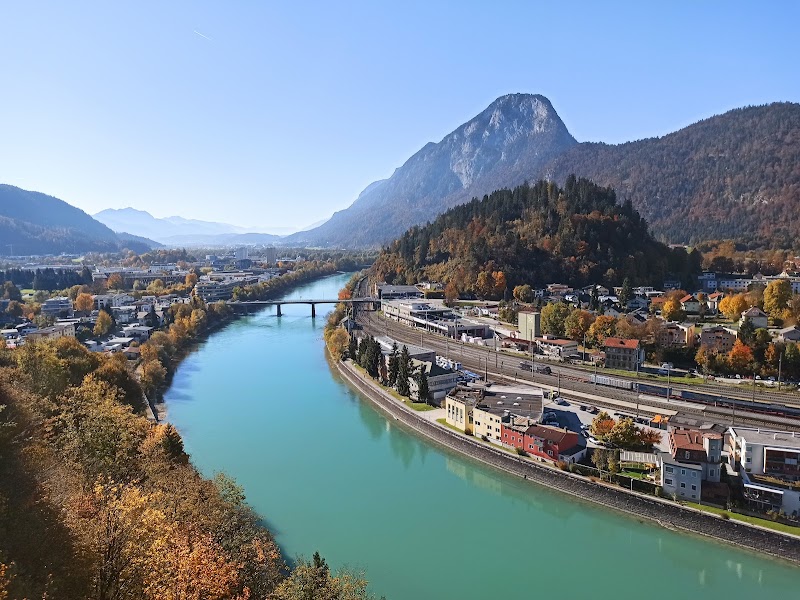
The Mangfalltal Natura 2000 Protected Area is located in southern Bavaria, Germany, encompassing the valley formed by the Mangfall River and its surrounding uplands. This region is characterized by a mixture of broadleaf and coniferous forests, wet meadows, riparian habitats, and karst formations, making it important for biodiversity conservation under the EU Natura 2000 network. The area's geography features steep slopes and calcareous rock formations unique to the Bavarian Prealps, supporting rare and endemic plant species alongside a rich assemblage of fauna including bats, amphibians, and various bird species such as the black woodpecker and kingfisher. Historically, the Mangfalltal has been shaped by centuries of traditional forestry, small-scale agriculture, and hydropower development, which have contributed to a mosaic landscape that still retains high ecological integrity. Outdoor enthusiasts are drawn to Mangfalltal for its scenic hiking trails that wind alongside the river and through dense forests, as well as excellent birdwatching spots and quiet areas for contemplative nature experiences. Key landmarks within or near the area include the historic town of Bad Aibling and the Heligenkreuz Church, adding cultural heritage appeal. The protected status under Natura 2000 provides a framework for sustainable management, balancing conservation goals with responsible recreation. Visitors appreciate Mangfalltal both for its serene natural beauty and the relatively low visitor density compared to more famous Bavarian alpine destinations.