Wilderness Landscape & Natural Heritage
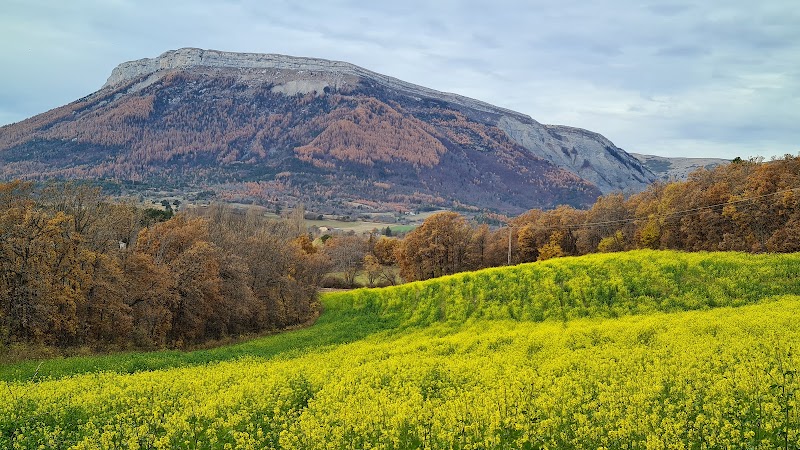
The Massif du Mézenc et de la Margeride is a significant mountainous region located primarily in the Auvergne-Rhône-Alpes and southern Occitanie regions of France. It includes the volcanic massif of Mézenc, with its highest peak reaching 1,753 meters (5,751 feet), and the granite plateaus of the Margeride. This area is characterized by diverse landscapes ranging from rounded volcanic domes and basalt flows to dense beech and fir forests and open moorlands. The region's geology reflects its volcanic origins, visible in basaltic formations and extinct volcanic craters. Ecologically, the area supports a mixture of alpine and Atlantic species, including roe deer, wild boar, and the rare black grouse; the forests harbor large populations of lynx and a range of birds of prey. Historically, the Massif du Mézenc et de la Margeride has witnessed rural traditions, shepherding, and seasonal transhumance, with ancient stone huts and heritage sites embedded in the landscape. Outdoor recreation is prominent here, especially hiking on marked trails such as the Tour du Mézenc, cross-country skiing in winter, mountain biking, and fishing in small streams and lakes. Visitors are drawn to panoramic viewpoints from the summits, the wildflower blooms in summer, and the calm solitude of the wilderness areas. The area is part of the Parc Naturel Régional des Monts d'Ardèche and the Parc Naturel Régional de la Margeride, which provide protection and sustainable tourism management. Overall, the Massif du Mézenc et de la Margeride offers a scenic natural escape showcasing volcanic landscapes, traditional culture, and abundant wildlife in a tranquil setting.