Wilderness Landscape & Natural Heritage
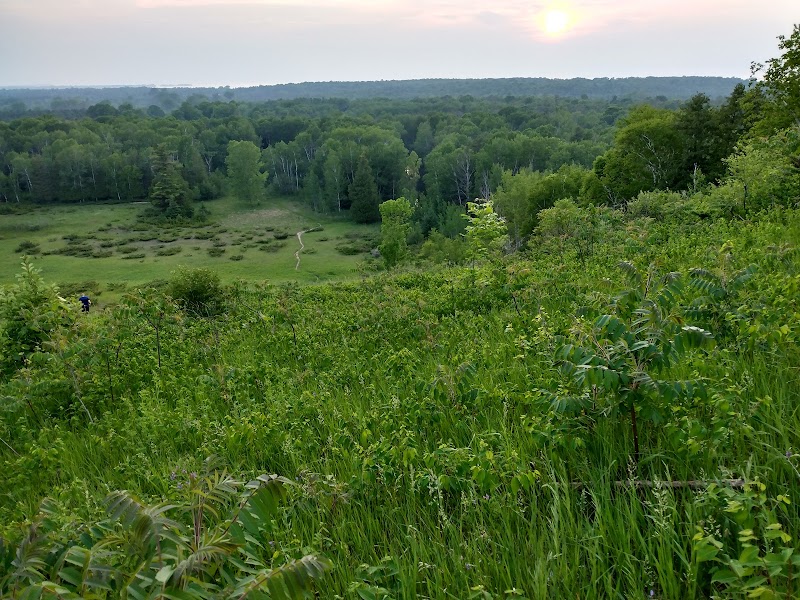
The Menominee Indian Reservation spans approximately 235,000 acres of forested land in northeastern Wisconsin. Owned and managed by the Menominee Tribe, the reservation is one of the largest federally recognized Indigenous forestlands in the United States. The landscape is characterized by mixed northern hardwood forests, wetlands, and numerous lakes and streams that sustain abundant wildlife. The Menominee Forest is known for one of the oldest examples of sustainable forest management, with a continuous history of responsible stewardship dating back over a century. This extensive forest supports species such as white-tailed deer, black bear, timber wolves, and a variety of birds including bald eagles and loons.
Historically, the Menominee people have lived in this region for thousands of years, relying on the land for sustenance and cultural practices. The reservation maintains a strong connection to its heritage through ongoing traditions and education.
Outdoor activities on the reservation include hiking, camping, fishing, hunting, birdwatching, and snowmobiling. The Menominee Forest has an extensive trail system for hiking and mountain biking that meanders through old-growth and managed forest areas. Many rivers and lakes provide excellent fishing and paddling opportunities. The reservation’s remote wilderness appeal and deep cultural roots offer visitors an immersive experience in nature and Native American heritage. Key landmarks include the Wolf River, prized for its trout fishing, and the community of Keshena, which is central to Menominee governance and culture.
Visitors appreciate the combination of pristine natural environments, low-crowd outdoor recreation, and a chance to learn about the Menominee Tribe’s land stewardship methods. Education efforts and cultural events are sometimes accessible to the public, providing insight into tribal history and ecology.