Wilderness Landscape & Natural Heritage
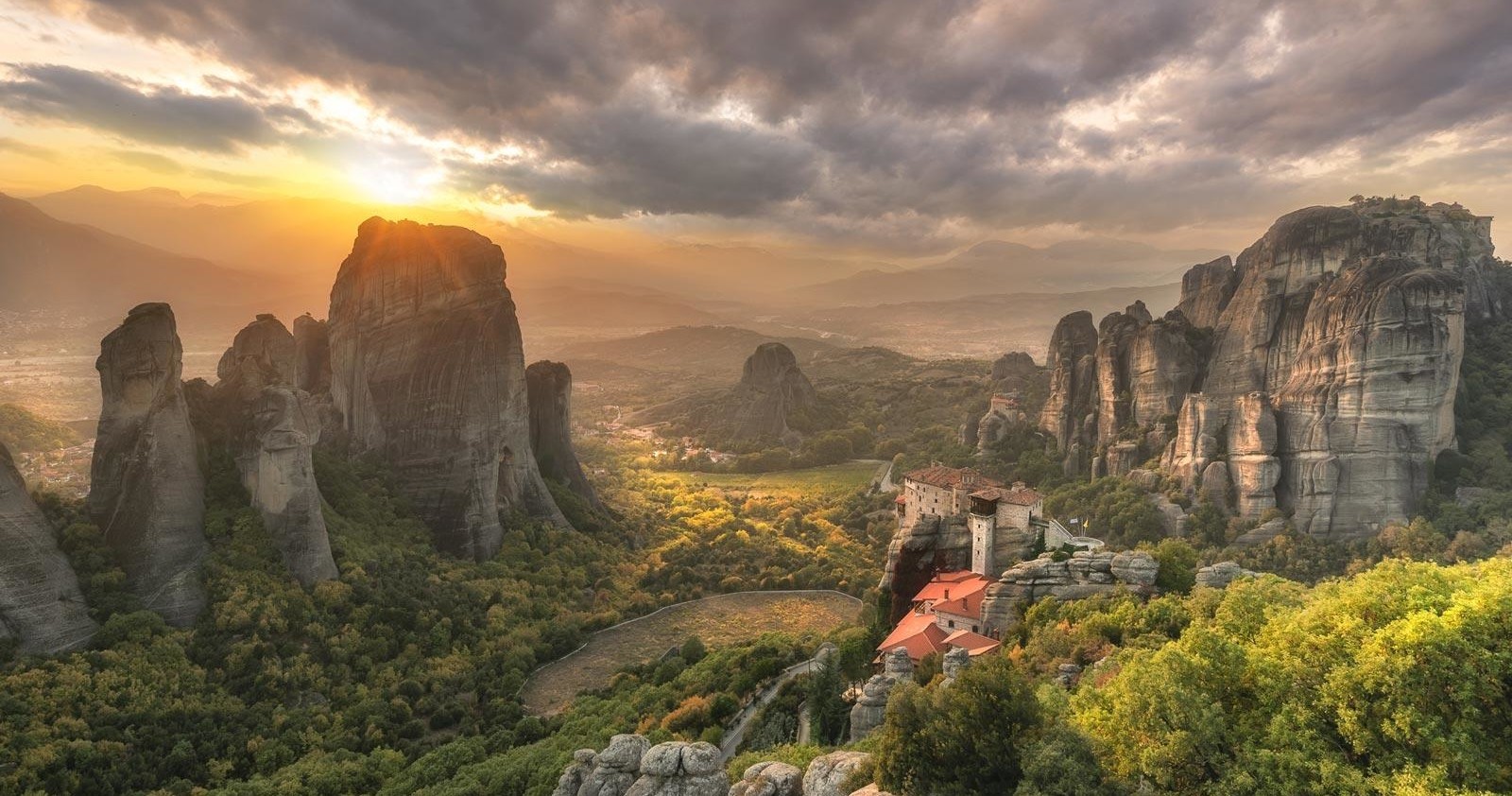
Meteora National Park, located in the Thessaly region of central Greece, is a protected Natura 2000 area distinguished by its spectacular vertical rock formations rising abruptly from the plains of the Peneus River. These sandstone and conglomerate pillars reach heights of over 400 meters and were formed over millions of years through erosion processes. The region is internationally recognized not only for its breathtaking geology but also for its historic Eastern Orthodox monasteries, which perch atop many of these cliffs. Six of the original 24 monasteries remain active and accessible to visitors, providing cultural insight alongside stunning vistas.
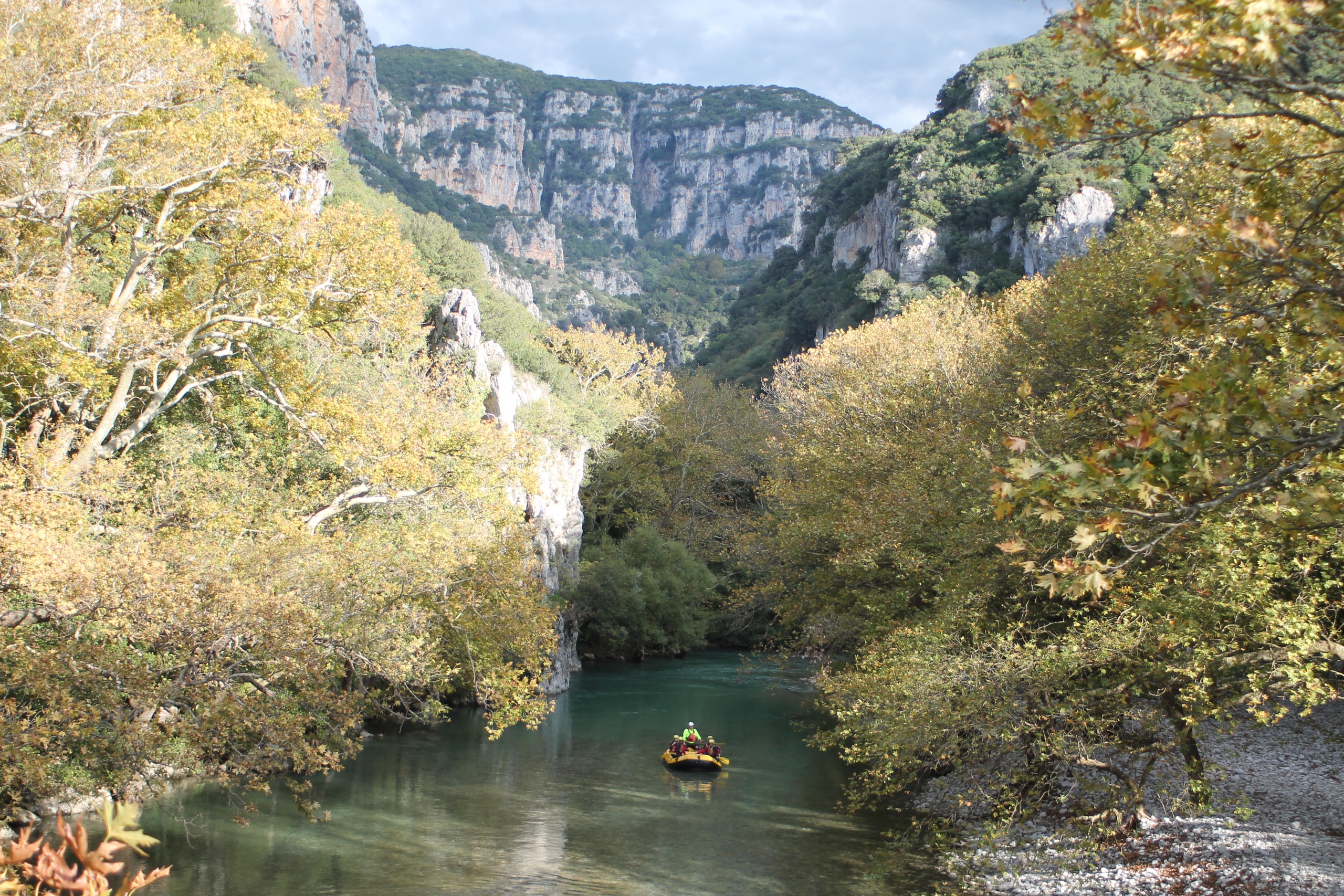
Ecologically, Meteora supports diverse Mediterranean flora and fauna, including endemic plant species and various bird populations like the peregrine falcon and Eurasian eagle-owl. The park attracts climbers from around the world who come to scale the rock spires on established routes, as well as hikers exploring well-marked trails through forested slopes and river valleys. Visitors also enjoy photography, rock climbing, birdwatching, and studying Byzantine art within the monastic complexes.
Beyond recreation, Meteora holds deep historical importance dating back to the early medieval period when monks sought refuge from persecution by establishing monasteries in these inaccessible locations. Today, meteoric columns and historic monasteries stand as a UNESCO World Heritage Site, drawing nearly half a million visitors annually. The park’s management balances tourism with conservation efforts aimed at preserving the fragile ecosystems and cultural landmarks. Overall, Meteora offers an exceptional outdoor experience combining natural wonders with profound human history.