Wilderness Landscape & Natural Heritage
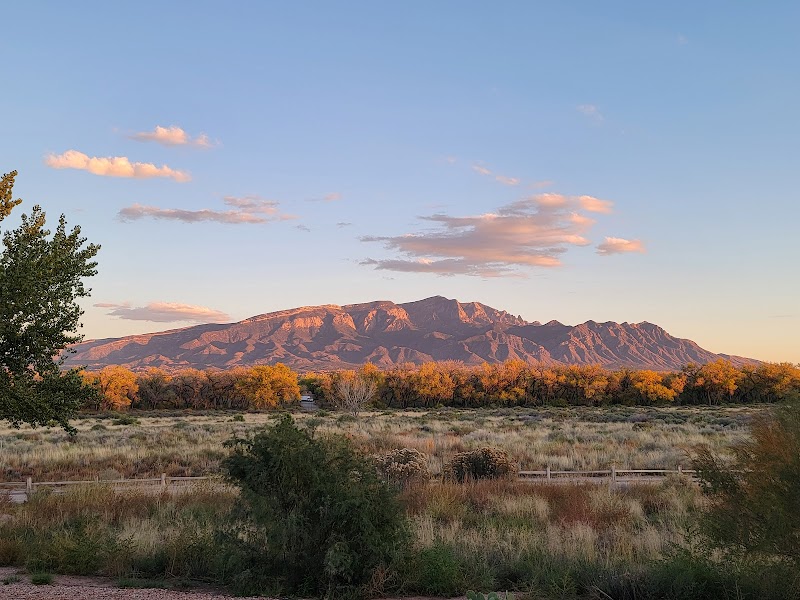
Montaña Pelada Protected Area is situated in the Guanacaste province of Costa Rica, within the Guanacaste Conservation Area (ACA). This volcanic massif stands at approximately 1,251 meters (4,104 feet) in elevation, featuring numerous volcanic cones and lava flows formed by eruptions in the Holocene era, around 3,500 years ago. The volcano is notable for its mostly barren, rugged landscape contrasted with patches of secondary forest and riparian vegetation that have colonized the area since the last eruption.
Ecologically, Montaña Pelada is part of the tropical dry forest ecosystem, one of the most endangered in the world, supporting unique flora and fauna adapted to distinct wet and dry seasonal cycles. Birdwatchers and nature lovers can observe species such as the Turquoise-browed Motmot and other tropical forest birds, as well as reptiles and small mammals.
The volcanic terrain is traversed by a network of hiking trails that range in difficulty and offer views of the volcanic cones, lava flows, and the surrounding Guanacaste landscape, including glimpses of distant mountains and coastlines on clear days. The area’s historical significance is tied to indigenous peoples who once inhabited the region and the volcanic activities that shaped its current form.
Visitors are attracted to Montaña Pelada for trekking, wildlife observation, photography, and educational purposes. Its relatively remote location provides a lesser-known alternative for adventure travelers in Costa Rica seeking volcanic and dry forest environments outside well-trodden rainforest areas. Conservation efforts help preserve this fragile ecosystem and promote sustainable tourism.