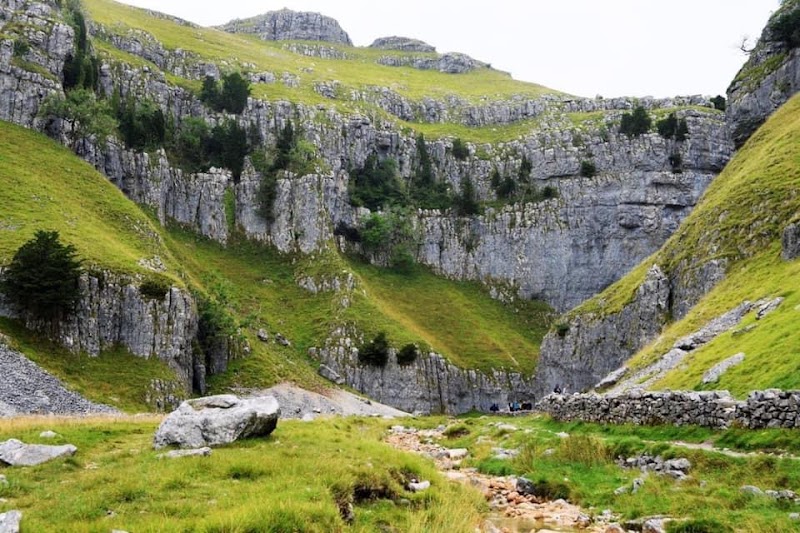
Wilderness Landscape & Natural Heritage
The Morecambe Bay Pavements Special Area of Conservation (SAC) is a designated site of ecological significance located along the limestone outcrops of the Morecambe Bay area, spanning parts of Cumbria and Lancashire in northwest England. It encompasses a series of limestone pavements, a rare and internationally important geological and biological feature. These pavements consist of flat, exposed clints and grikes that provide unique microhabitats for a variety of specialized plants, including rare ferns, orchids, and bryophytes. The site's irregular karst landscape forms a mosaic of grasslands, heathlands, and scrub, supporting an array of wildlife such as breeding birds and invertebrates. The SAC is also adjacent to extensive intertidal mudflats that serve as vital feeding grounds for wading birds and migratory species. Historically, these limestone pavements have shaped local farming and shepherding practices, with dry stone walls tracing ancient boundaries and grazing patterns that helped maintain the biodiversity of the habitat. Visitors to the Morecambe Bay Pavements enjoy scenic walking routes along quiet country lanes and paths that reveal impressive rock formations and botanical diversity. The coastline nearby offers some of the best birdwatching opportunities in the UK, especially during migration and winter months. Though less frequented than larger national parks, the area appeals to those interested in geology, botany, and peaceful rural landscapes. Conservation management focuses on preventing scrub encroachment, maintaining traditional grazing regimes, and educating the public about the fragility and importance of limestone pavements. The SAC designation ensures a high level of protection, balancing human activity with habitat preservation.