Wilderness Landscape & Natural Heritage
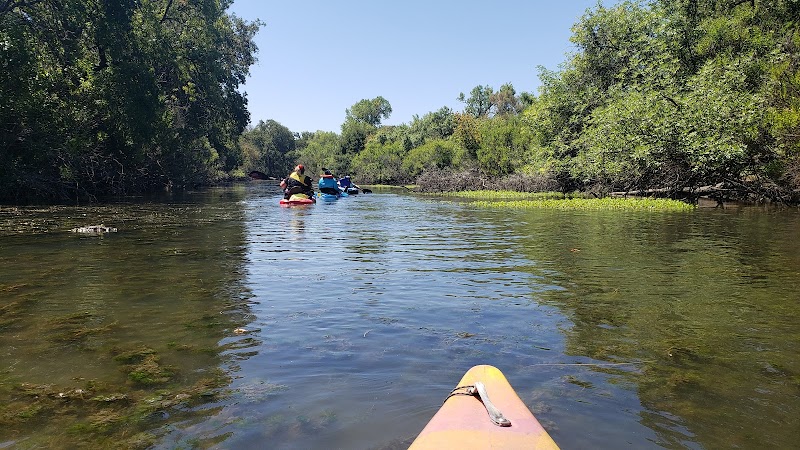
Mossdale Crossing Wildlife Area is situated on the southern banks of the San Joaquin River in San Joaquin County, California, near the city of Lathrop. This Wildlife Area encompasses a mosaic of riparian forests, seasonal wetlands, floodplains, and grasslands that play a critical ecological role in supporting migratory waterfowl, shorebirds, and resident species. The area’s geography is defined by the dynamic interaction between river flows and floodplain habitats, facilitating nutrient-rich environments essential for fish spawning, including species like Chinook salmon and steelhead trout. Vegetation includes willow thickets, cottonwood stands, and tule marshes that provide ideal cover and nesting habitats. Historically, the area was a vital corridor for Native American communities and later supported agricultural activities, though much of its natural floodplain habitat has been restored or preserved through conservation efforts. Outdoor enthusiasts visit Mossdale Crossing Wildlife Area primarily for wildlife viewing—especially birdwatching during migration seasons—photography, and trout fishing in the river and its tributaries. Though the site has limited developed trails and infrastructure, it is valued for its tranquility and natural beauty. The refuge’s proximity to the San Joaquin River makes it a crucial site for ecological research and monitoring, helping preserve the threatened Central Valley’s biodiversity. Visitors come to witness seasonal transitions, including spring wildflower blooms and the impressive influx of migratory birds in fall and winter. Accessible and relatively low-key, the area appeals to those seeking a peaceful outdoor experience centered on nature observation and environmental education.