Wilderness Landscape & Natural Heritage
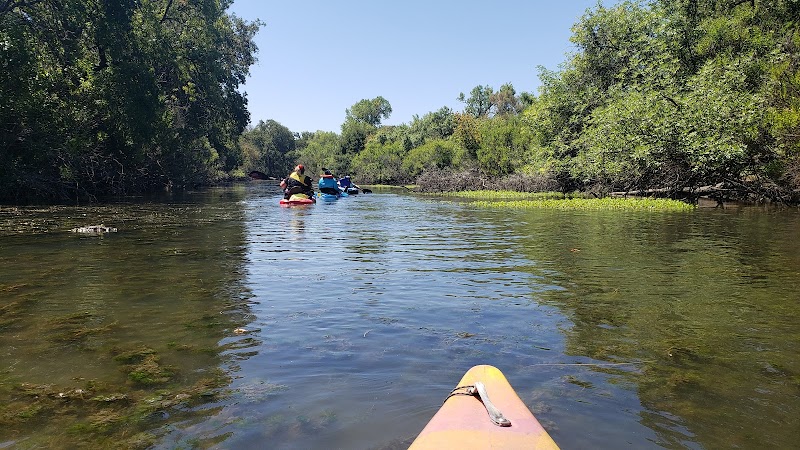
Mossdale Wildlife Area is situated at the confluence of the San Joaquin and Stanislaus Rivers in San Joaquin County, California. This approximately 1,200-acre wetland and riparian habitat is managed primarily for the conservation of the native wildlife species and the enhancement of waterfowl populations. The area encompasses a mosaic of tidal marshes, riparian forests, seasonal wetlands, and open water channels, providing critical resting, feeding, and breeding grounds for many native species, including migratory waterfowl and endangered fish like the Delta smelt and Chinook salmon. Historically, the region surrounding Mossdale was once part of an extensive marshland complex before extensive diking and levee construction transformed much of the delta into farmland and urban areas. As a protected wildlife area, Mossdale plays a vital role in preserving these diminishing habitats and supports a diverse ecosystem. Visitors to Mossdale often come for birdwatching, photographing wildlife, and fishing, as the waterways are known for striped bass, sturgeon, and other sport fish. While Mossdale does not have extensive developed trails or campgrounds, it offers a peaceful, lesser-known destination for nature enthusiasts seeking a quiet spot to observe California's delta ecosystems. Access tends to be limited to small, non-motorized boats and fishing from designated areas, emphasizing a low-impact recreational experience. The blend of aquatic and terrestrial environments makes Mossdale Wildlife Area an important conservation and outdoor recreation site within California’s complex Delta landscape.