Wilderness Landscape & Natural Heritage
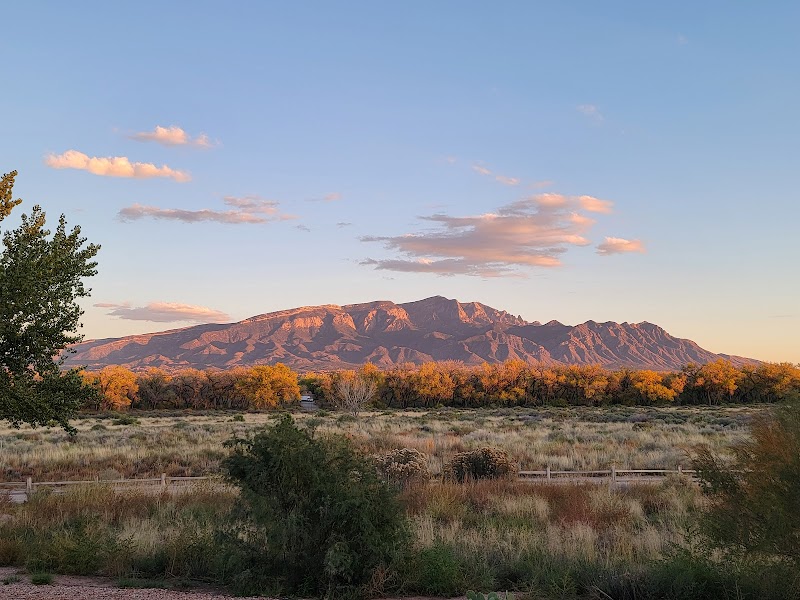
The Münchner Grüngürtel is a unique greenbelt system encircling the city of Munich in Bavaria, Germany. Established in the mid-20th century to protect the city from urban sprawl, it serves as a multifunctional buffer zone preserving natural habitats, farmlands, and recreational spaces. It stretches around Munich over several dozen kilometers, connecting forests, parks, rivers, and agricultural land. This greenbelt is integral to Munich’s urban planning, offering residents numerous outdoor activities such as hiking, cycling, birdwatching, and picnicking in readily accessible natural settings. Ecologically, it shelters diverse species of flora and fauna native to the Bavarian landscape, including mature native woodlands, wetland areas along the Isar River, and species-rich meadows. Historically, the Grüngürtel reflects post-war urban development strategies aimed at balancing growth with environmental quality. Key landmarks within or adjacent to the Grüngürtel include the Perlacher Forst, the extensive Isarauen floodplains, and the expansive Englischer Garten to the north. The greenbelt is also dotted with smaller parks, community gardens, and nature reserves such as the Aubinger Lohe and Munich's Südpark. Its well-maintained trails and water bodies provide city dwellers with opportunities to experience tranquility and wildlife within short distances from the urban core. The Münchner Grüngürtel is a vital ecological and recreational resource that enhances the quality of life in Munich by integrating green infrastructure within a dense metropolitan context.