Wilderness Landscape & Natural Heritage
Nahal Me’arot Nature Reserve is located in the Carmel Mountain range in northern Israel, near the city of Haifa. The reserve protects a series of four significant prehistoric caves—Tabun, Gamal, el-Wad, and Skhul—known for archaeological discoveries that provide crucial evidence of early human evolution and cultural development dating back over 500,000 years. These caves contain rich fossil records of Neanderthals and early modern humans, forming one of the world's most important paleoanthropological sites, designated as a UNESCO World Heritage site since 2012 under the name "Nahal Me'arot / Wadi el-Mughara Caves."
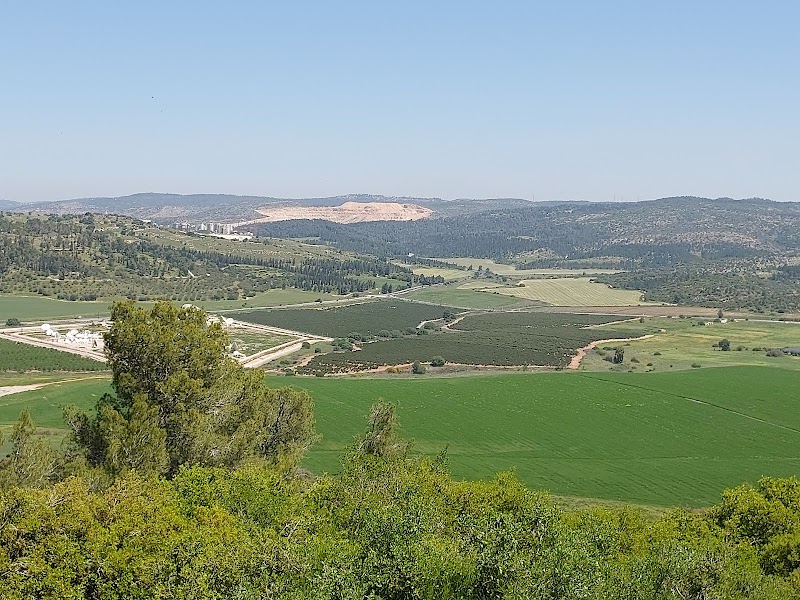
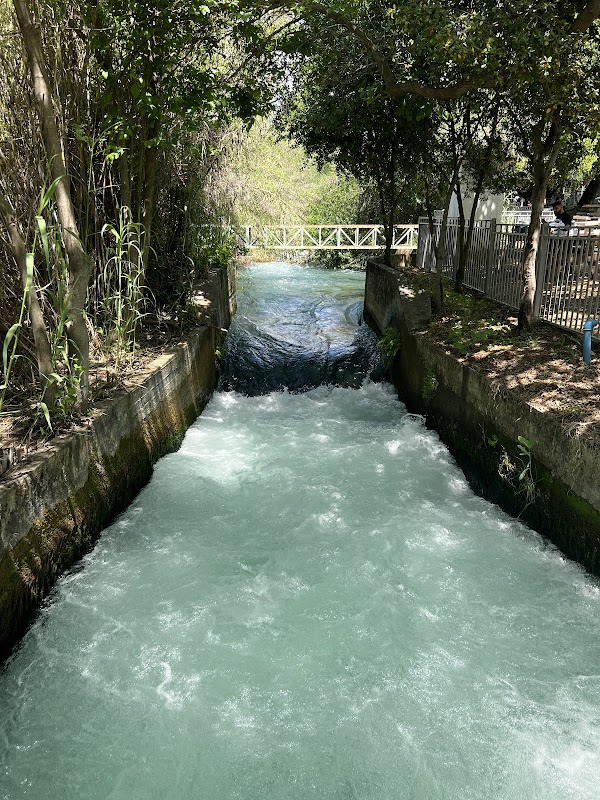
Covering approximately 6,000 acres, the landscape features Mediterranean woodlands, limestone cliffs, and Nahal Me’arot (Cave Stream), a seasonal watercourse. This diverse ecology supports a variety of flora, including oak and pine trees, and fauna such as foxes, hyraxes, and numerous bird species. The reserve offers hiking trails that lead visitors through the forested hillsides and up to cave entrances, with interpretive signage detailing both the natural history and archaeological importance of the area.
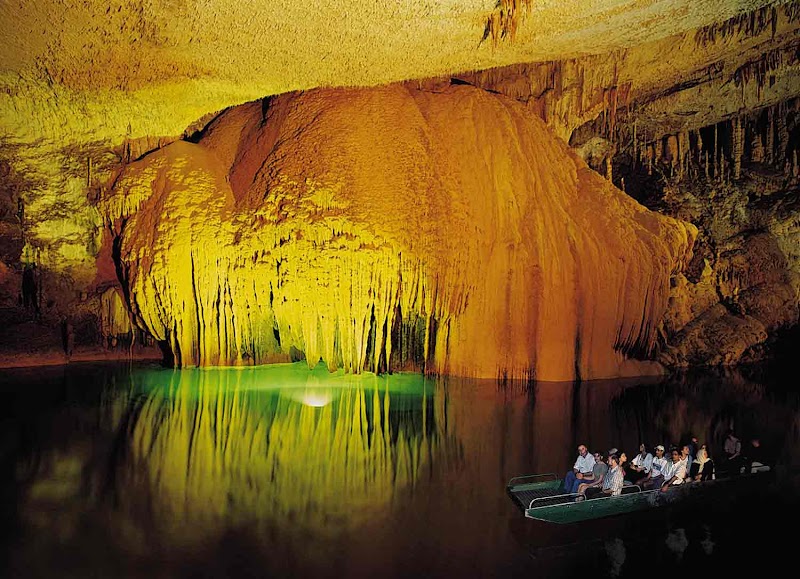
Visitors can also experience caves with safe viewing points and guided tours emphasizing prehistoric human life, archaeological excavation methods, and the significance of the discoveries made here. The reserve provides a rare combination of outdoor recreation with educational opportunities focused on human origins and natural heritage. Its close proximity to Haifa makes Nahal Me’arot accessible for day trips and school groups, engaging both casual visitors and serious enthusiasts of paleontology and archaeology.