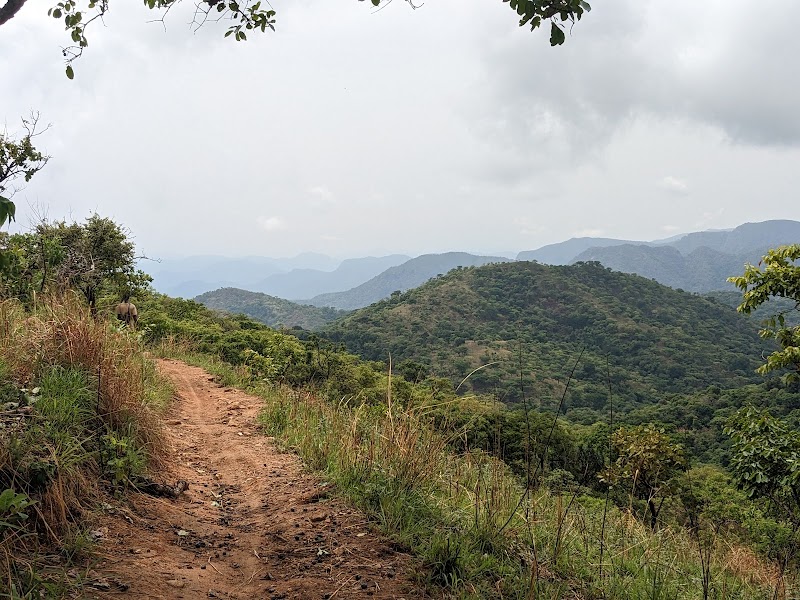
Wilderness Landscape & Natural Heritage
Gashaka-Gumti National Park covers approximately 6,400 square kilometers in Nigeria’s northeastern region, spanning the states of Taraba and Adamawa. Established in 1991, it is the country’s largest national park and one of the most ecologically diverse protected areas in West Africa. The park features a rich mosaic of habitats, including montane forests, savannah plains, river valleys, and wetlands. It lies along the border with Cameroon and includes the scenic Mandara Mountains and the famous Gashaka Plateau.
Ecologically, the park is home to a wide variety of species, including Nigeria's last population of chimpanzees, African forest elephants, lions, leopards, buffalos, and over 500 bird species. This biodiversity makes it a prime destination for wildlife observation and birdwatching. The park’s dense forests and undisturbed wilderness also support important populations of endemic and endangered species.
Historically, the region holds cultural significance for local ethnic groups such as the Fulani and Mambila people. Visitor appeal centers on trekking along diverse trails, spotting unique wildlife, and exploring the remote natural environment. Key landmarks include Mount Gashaka, the highest peak in Nigeria, and the Gumti River. Visitors can experience guided game drives, hiking, camping, and river excursions. Due to the park's remote location and limited infrastructure, guided tours and local ranger assistance are recommended to enhance safety and access.
The park’s combination of rugged terrain, abundant wildlife, and cultural heritage provides a compelling destination for eco-tourists, researchers, and adventurous travelers seeking an authentic African wilderness experience.